-
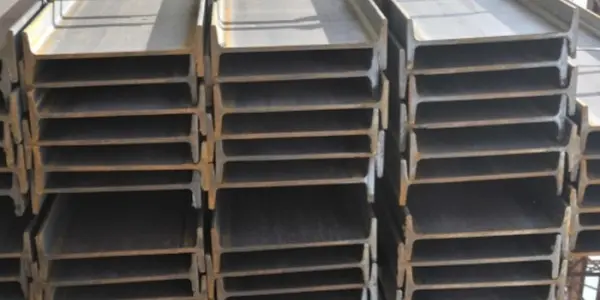
Standard sizes for h-section steel
H-section steel, also known as H-beam, is a type of structural steel with a cross-section shaped like the letter "H." It features equal thickness in both the web and flanges, providing balanced strength and stability. This article will briefly introduce standard sizes for h-section steel.
Read More
-
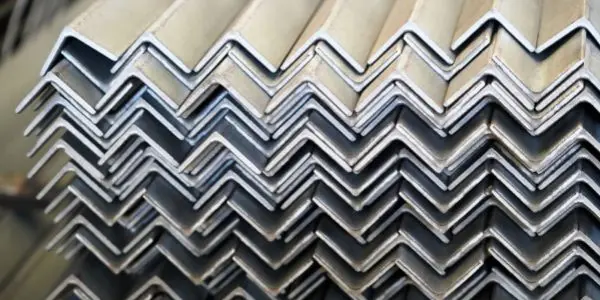
What are the uses of angle bar?
Angle bars are one of the most versatile structural steel components, widely used across multiple sectors due to their strength, adaptability, and ease of installation. Below are some of the most common and practical applications of angle bars.
Read More
-
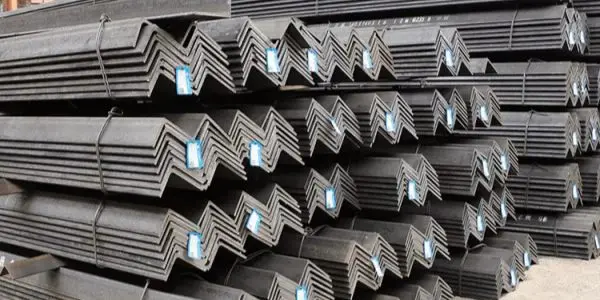
Advantages of using angle bar
Angle bars—often referred to as L-brackets or angle irons—are structural steel profiles characterized by their two perpendicular legs forming a 90-degree angle. Thanks to their excellent strength, durability, and adaptability, they play a key role in both construction and fabrication industries.
Read More
-
Density value of stainless steel plate
The density of a stainless steel plate refers to its mass per unit volume, typically expressed in kilograms per cubic meter (kg/m³) or grams per cubic centimeter (g/cm³). To calculate density, both the mass (measured directly) and volume (determined by dimensional measurements such as length × width × thickness) must be known. This article will briefly introduce density value of stainless steel plate.
Read More
-
Difference between stainless steel plates and galvanized steel plates
Stainless steel plate is a corrosion-resistant alloy steel primarily composed of iron and a minimum of 10.5% chromium. The addition of chromium forms a dense chromium oxide film on the surface, which effectively blocks oxygen and moisture, significantly enhancing the material’s resistance to rust and chemical corrosion. Galvanized steel plate is a carbon steel base sheet coated with a layer of zinc through hot-dip galvanizing or electroplating. The zinc coating acts as a sacrificial layer, offering protection against corrosion by isolating the steel from exposure to air and moisture. This method leverages the anodic protection of zinc. This article will briefly introduce difference between stainless steel plates and galvanized steel plates.
Read More
-
Tensile strength and yield strength of steel plate
Steel plate strength reflects its ability to resist deformation or damage when subjected to external forces. It is a core indicator used to evaluate the quality and performance of steel plates. Key strength metrics include tensile strength, yield strength, and impact toughness.
Read More
-
Materials and thickness selection of steel plate
Steel plates are a widely used metal material, commonly applied in construction, manufacturing, shipbuilding, automotive, aerospace, and other industries. Depending on specific applications and performance requirements, steel plates come in a variety of materials and thicknesses.
Read More
-
7070 square steel pipe
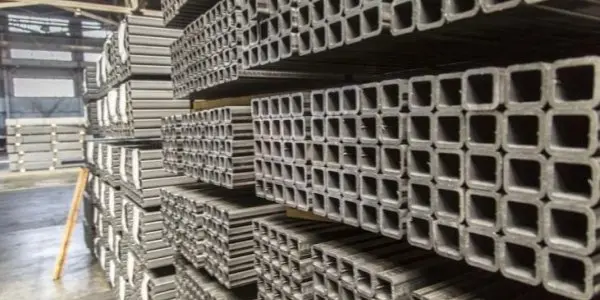
In the dynamic world of the steel industry, the 7070 square steel pipe stands out as a prominent and versatile material, gaining recognition across a wide range of engineering applications. With exceptional properties such as high strength, corrosion resistance, and ease of processing, this material has captured significant market attention.
Read More
-
What is the role of channel steel in engineering?
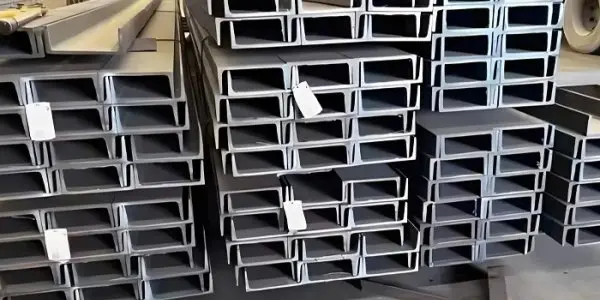
Channel steel serves as a versatile structural material with broad applications across various engineering fields, including construction, bridge building, machinery, and shipbuilding. This article will briefly introduce what is the role of channel steel in engineering.
Read More
-
Comprehensive introduction to mild steel square tube
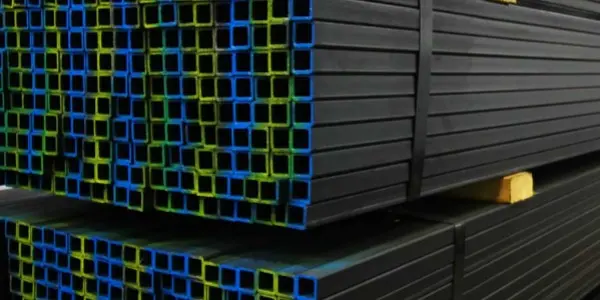
Mild steel tubes are carbon steel pipes with a carbon content of less than 0.25%. Among them, square mild steel tubes are widely used across industries due to their excellent plasticity, weldability, and machinability. They also offer solid mechanical strength and a good degree of corrosion resistance, making them ideal for structural and decorative applications alike.
Read More

 English
 Español


 Tel : +86-18565811709
 Email :