What Is Austenitic Stainless Steel Seamless Pipe?
Austenitic stainless steel seamless tube and pipe are widely used in industries requiring excellent corrosion resistance, high temperature performance, and stable mechanical properties. Due to their non-magnetic structure and good weldability, these pipes are commonly applied in:
Chemical processing
Petroleum refining
Food processing
Heat exchangers
Boiler and pressure systems
At Union Steel Industry, austenitic stainless steel seamless pipes are supplied for both industrial and structural applications with support for multiple international standards.
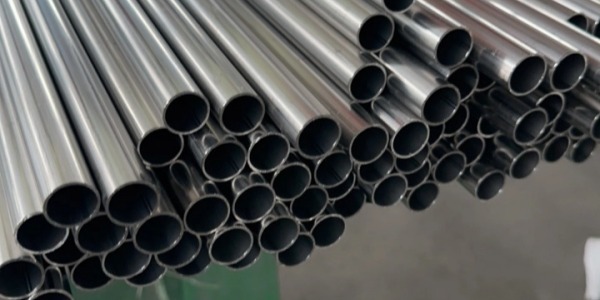
Main Features of Austenitic Stainless Steel Pipe
According to the product information, austenitic stainless steel maintains a stable austenitic structure at normal temperature and provides:
High corrosion resistance
Good cold and hot workability
Excellent toughness and plasticity
Reliable welding performance
Available Standards and Steel Grades of Austenitic Stainless Steel Pipe
The product range covers multiple international standards, including:
Chinese Standards
GB/T14975
GB/T14976
GB13296
GB5310
American Standards
ASTM A312
ASTM A213
ASTM A269
ASTM A376
ASTM A511
ASTM B677
ISO 15156-3
European Standards
DIN 17456
EN10216-5
Japanese Standards
JIS G3463
JIS G3459
Custom production according to project specifications is also available.
Chemical Composition (%) of Austenitic Stainless Steel Pipe
The following chemical composition table is based on the grades listed in the product document for austenitic stainless steel seamless tube & pipe.
|
Type
|
Grade
|
C
|
Mn
|
P
|
S
|
Si
|
Cr
|
Ni
|
Mo
|
Ti
|
N
|
Others
|
|
Austenitic Stainless Steel
|
TP304
|
0.08
|
2.00
|
0.045
|
0.030
|
1.00
|
18.0–20.0
|
8.0–11.0
|
—
|
—
|
—
|
—
|
|
Austenitic Stainless Steel
|
TP304L
|
0.035
|
2.00
|
0.045
|
0.030
|
1.00
|
18.0–20.0
|
8.0–13.0
|
—
|
—
|
—
|
—
|
|
Austenitic Stainless Steel
|
TP304H
|
0.04–0.10
|
2.00
|
0.045
|
0.030
|
1.00
|
18.0–20.0
|
8.0–11.0
|
—
|
—
|
—
|
—
|
|
Austenitic Stainless Steel
|
TP310S
|
0.08
|
2.00
|
0.045
|
0.030
|
1.00
|
24.0–26.0
|
19.0–22.0
|
—
|
—
|
—
|
—
|
|
Austenitic Stainless Steel
|
TP316
|
0.08
|
2.00
|
0.045
|
0.030
|
1.00
|
16.0–18.0
|
11.0–14.0
|
2.0–3.0
|
—
|
—
|
—
|
|
Austenitic Stainless Steel
|
TP316L
|
0.035
|
2.00
|
0.045
|
0.030
|
1.00
|
16.0–18.0
|
10.0–14.0
|
2.0–3.0
|
—
|
—
|
—
|
|
Austenitic Stainless Steel
|
TP316H
|
0.04–0.10
|
2.00
|
0.045
|
0.030
|
1.00
|
16.0–18.0
|
10.0–14.0
|
2.0–3.0
|
—
|
—
|
—
|
|
Austenitic Stainless Steel
|
TP317L
|
0.035
|
2.00
|
0.045
|
0.030
|
1.00
|
18.0–20.0
|
11.0–15.0
|
3.0–4.0
|
—
|
—
|
—
|
|
Austenitic Stainless Steel
|
TP321
|
0.08
|
2.00
|
0.045
|
0.030
|
1.00
|
17.0–19.0
|
9.0–12.0
|
—
|
5×(C+N)–0.70
|
0.10
|
—
|
|
Austenitic Stainless Steel
|
TP321H
|
0.04–0.10
|
2.00
|
0.045
|
0.030
|
1.00
|
17.0–19.0
|
9.0–12.0
|
—
|
4×(C+N)–0.60
|
0.10
|
—
|
|
Austenitic Stainless Steel
|
TP347
|
0.08
|
2.00
|
0.045
|
0.030
|
1.00
|
17.0–19.0
|
9.0–13.0
|
—
|
—
|
—
|
Nb×10+C-1.0
|
|
Austenitic Stainless Steel
|
TP347H
|
0.04–0.10
|
2.00
|
0.045
|
0.030
|
1.00
|
17.0–19.0
|
9.0–13.0
|
—
|
—
|
—
|
Nb×8+C-1.0
|
|
Super Austenitic Stainless Steel
|
N08367
|
0.03
|
1.00
|
0.040
|
0.030
|
0.80
|
20.0–22.0
|
23.5–25.5
|
6.0–7.0
|
—
|
0.18–0.25
|
Cu0.5–1.0
|
|
Super Austenitic Stainless Steel
|
904L
|
0.02
|
2.00
|
0.040
|
0.030
|
1.00
|
19.0–23.0
|
23.0–28.0
|
4.0–5.0
|
—
|
0.10
|
Cu1.0–2.0
|
|
Super Austenitic Stainless Steel
|
S31254
|
0.02
|
1.00
|
0.030
|
0.010
|
0.80
|
19.5–20.5
|
17.5–18.5
|
6.0–6.5
|
—
|
0.18–0.22
|
Cu0.50–1.00
|
Typical Industrial Applications of Austenitic Stainless Steel Pipe
At Union Steel Industry, austenitic stainless steel seamless pipes are commonly supplied for:
Heat exchanger systems
Industrial fluid transportation
Petrochemical pipelines
Boiler tubing
Offshore engineering projects
The combination of corrosion resistance and fabrication performance makes these materials suitable for long-term industrial operation.
FAQ
What is the advantage of austenitic stainless steel pipe?
It offers excellent corrosion resistance, weldability, and high-temperature performance.
What is the most common stainless steel grade?
TP304 and TP316 are among the most widely used grades.
Can these pipes be used in chemical plants?
Yes. Austenitic stainless steel pipes are widely used in corrosive chemical environments.
What standards are supported?
ASTM, DIN, EN, and JIS standards are commonly available.
Conclusion
Austenitic stainless steel seamless tube and pipe remain important materials for industrial systems requiring corrosion resistance and stable long-term performance. With support for multiple international standards and stainless steel grades, Union Steel Industry supplies seamless stainless steel pipe solutions for global industrial applications.

 English
 Español


 Tel : +86-18565811709
 Email :
 News
News