How to Select the Right API 5L Seamless Line Pipe?
Selecting the right API 5L seamless line pipe is essential for ensuring the safety, reliability, and long-term performance of oil and gas pipeline systems. The selection process involves more than choosing a pipe grade. Buyers and engineers must consider operating pressure, outside diameter (OD), wall thickness (WT), PSL requirements, pipe-end configurations, and corrosion protection.
For pipeline procurement, matching the pipe specification with the project design requirements is critical. This guide explains the key factors to consider when selecting seamless line pipes and how to prepare technical requirements before placing an order.
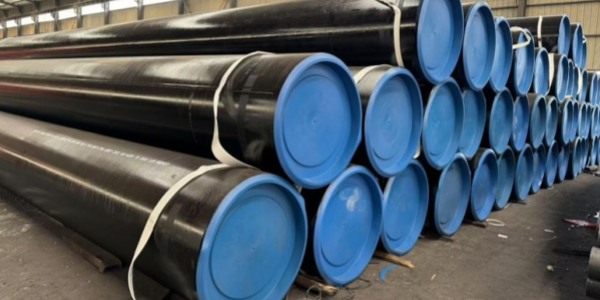
1. Select the API 5L Pipe Grade According to Project Requirements
Pipe grade is one of the most important considerations when selecting an oil and gas pipeline pipe. API 5L covers different steel grades with varying mechanical properties, allowing engineers to select materials according to pipeline design conditions.
Common API 5L grades include:
|
API 5L Grade
|
General Selection Consideration
|
|
Grade B
|
Commonly used for general pipeline applications
|
|
X42
|
Provides a higher specified strength level than Grade B
|
|
X52
|
Used in pipeline projects requiring higher material strength
|
|
X60
|
Suitable for applications requiring increased specified strength
|
|
X65
|
Used in demanding pipeline engineering applications
|
|
X70
|
Provides a higher specified strength level for selected transmission projects
|
|
X80
|
Applied in projects requiring high-strength line pipe materials
|
How Does Operating Pressure Affect Pipe Grade Selection?
Higher operating pressure generally increases the strength requirements of a pipeline system. However, pipe grade should not be selected based on pressure alone.
Engineers should consider several design parameters together:
Design pressure and operating pressure
Pipeline outside diameter
Required wall thickness
Design temperature
Conveyed medium and operating conditions
Applicable pipeline design codes
Project-specific safety and material requirements
A higher-strength grade may help meet the design requirements, but the final selection must be verified through pipeline engineering calculations and the applicable design code.
Procurement tip: Buyers should provide the design grade or material specification required by the engineering team rather than selecting an API 5L grade based only on the pressure value.
2. Determine the Required Outside Diameter (OD) and Wall Thickness (WT)
Outside diameter and wall thickness directly affect pipeline capacity, pressure resistance, material consumption, and installation requirements.
Outside Diameter (OD)
The pipe outside diameter is normally determined by the pipeline design, required flow capacity, and overall system configuration.
When confirming OD, buyers should consider:
Required pipeline flow capacity
Connection compatibility
Installation and construction requirements
Available pipe dimensions
Project specifications
Wall Thickness (WT)
Wall thickness is particularly important for pressure-bearing applications. It must be determined according to the design pressure, pipe diameter, material grade, design factors, corrosion allowance where applicable, and other requirements specified by the governing design code.
For example, two API 5L seamless pipes with the same outside diameter may require different wall thicknesses depending on their operating conditions and project design.
Buyers should avoid choosing wall thickness based solely on commonly used schedules. The required WT should be confirmed through engineering calculations and the project specification.
3. PSL1 vs PSL2: Which API 5L Pipe Specification Should You Choose?
API 5L includes two product specification levels: PSL1 and PSL2. The appropriate level depends on the pipeline's service conditions, project requirements, and applicable engineering specifications.
|
Comparison Item
|
PSL1
|
PSL2
|
|
Product Specification Level
|
Standard requirements
|
More stringent requirements
|
|
Chemical Composition
|
Specified requirements
|
Additional and more restrictive controls
|
|
Mechanical Properties
|
Specified requirements
|
Additional requirements and controls
|
|
Manufacturing Control
|
Standard production requirements
|
Enhanced production control requirements
|
|
Inspection and Testing
|
Requirements defined by API 5L
|
Additional or more stringent requirements
|
|
Typical Procurement Consideration
|
Projects specifying PSL1
|
Projects requiring enhanced product control
|
When Should You Choose PSL1?
PSL1 may be suitable for pipeline projects where standard API 5L product requirements meet the engineering and purchasing specifications.
When Should You Choose PSL2?
PSL2 is generally selected when projects require tighter controls over chemical composition, mechanical properties, manufacturing, and inspection.
For demanding oil and gas pipeline projects, buyers should carefully review the project specification to determine whether PSL2 is required.
Important: PSL2 should not automatically be assumed to be suitable for every demanding service condition. Additional requirements, such as sour-service or low-temperature requirements, must be specified and verified separately where applicable.
4. Confirm Pipe Ends and Corrosion Protection Requirements
Pipe-end configuration and surface protection should be confirmed before production because they affect welding, installation, transportation, and long-term pipeline performance.
Pipe-End Configurations
Common API 5L seamless line pipe end options include:
Plain End: Used when the project requires plain pipe ends for further processing or specific connection arrangements.
Beveled End: Commonly used for field welding and pipeline installation.
Threaded End: Available when specified for compatible threaded connection applications.
For large-diameter transmission pipelines, beveled ends are commonly specified to support field welding. The required bevel angle, root face, and end preparation should follow the applicable project specification.
Corrosion Protection Requirements
Corrosion protection should be selected according to the pipeline's operating environment and design requirements.
Common external coating systems include:
|
Coating System
|
Typical Application Consideration
|
|
FBE
|
External corrosion protection for buried or other specified pipeline applications
|
|
3LPE
|
Multi-layer external protection for demanding pipeline environments
|
|
3LPP
|
External protection for applications requiring suitable temperature and mechanical performance
|
|
Cement Mortar Lining
|
Internal lining option for specified water transmission applications
|
The coating system should be selected based on soil conditions, operating temperature, transportation medium, installation method, and project specifications.
Buyers should also confirm coating thickness, surface preparation requirements, inspection methods, and whether additional internal lining or end protection is needed.
5. What Technical Documents Should Buyers Prepare?
Clear technical documentation helps the line pipe supplier understand project requirements and reduces the risk of specification mismatches.
Before requesting a quotation, buyers should prepare the following information:
|
Technical Information
|
Details to Confirm
|
|
Product Standard
|
API 5L
|
|
Manufacturing Process
|
Seamless
|
|
Steel Grade
|
Grade B, X42, X52, X60, X65, X70, X80, etc.
|
|
PSL Level
|
PSL1 or PSL2
|
|
Outside Diameter
|
Required OD in mm or inches
|
|
Wall Thickness
|
Required WT in mm or inches
|
|
Pipe Length
|
Fixed length or random length
|
|
Pipe Ends
|
Plain end, beveled end, or other specified configuration
|
|
Coating Requirements
|
FBE, 3LPE, 3LPP, cement mortar lining, or other specified treatment
|
|
Inspection Requirements
|
Applicable testing and third-party inspection requirements
|
|
Documentation
|
MTC, inspection records, and other project documents
|
|
Quantity and Delivery
|
Order quantity, destination, and required delivery schedule
|
Depending on the project specification, buyers may also need to confirm requirements for chemical analysis, tensile testing, impact testing, hydrostatic testing, and non-destructive examination.
Preparing these details in advance helps suppliers evaluate manufacturing feasibility, production schedules, and delivery arrangements more accurately.
6. How Union Steel Industry Supports API 5L Seamless Line Pipe Projects
At Union Steel Industry, we supply steel pipe solutions for oil and gas, energy, and industrial infrastructure projects. For API 5L seamless line pipe orders, we focus on understanding the technical requirements before confirming the supply arrangement.
Our project coordination can cover the following areas:
Product Specification Confirmation
We review the required API 5L grade, PSL level, outside diameter, wall thickness, pipe length, and end configuration to clarify the product requirements before ordering.
Customized Product and Coating Requirements
Based on confirmed project specifications, we coordinate suitable pipe dimensions, end preparation, and corrosion protection options, including FBE, 3LPE, and cement mortar lining where applicable.
Quality Documentation and Inspection Coordination
We can coordinate the required material and inspection documentation according to the confirmed order requirements, including MTCs and applicable third-party inspection arrangements.
Project Order and Delivery Coordination
For project-based procurement, we coordinate product specifications, order quantities, inspection requirements, packaging, and shipment arrangements to support the customer's delivery schedule.
Whether the requirement involves standard API 5L seamless line pipes or a project-specific supply package, confirming technical details at the quotation stage helps improve procurement accuracy and project coordination.
Conclusion
Selecting the right API 5L seamless line pipe requires a comprehensive assessment of material grade, outside diameter, wall thickness, PSL level, pipe-end configuration, and corrosion protection requirements. These factors must work together to meet the pipeline's design conditions and applicable engineering standards.
For buyers sourcing an oil and gas pipeline pipe, preparing a complete technical specification is the first step toward reliable procurement. Union Steel Industry supports project orders through product specification coordination, coating options, quality documentation, and delivery arrangements to meet different pipeline supply requirements.
FAQ
1. How do you select the right API 5L seamless line pipe grade?
The grade should be selected according to design pressure, pipe dimensions, design code, temperature, and project-specific material requirements.
2. How do you determine API 5L pipe wall thickness?
Wall thickness is determined through engineering calculations based on design pressure, outside diameter, material grade, design factors, and applicable code requirements.
3. What is the difference between API 5L PSL1 and PSL2?
PSL2 generally has more stringent requirements for chemical composition, mechanical properties, manufacturing control, and inspection than PSL1.
4. Which pipe-end configurations are available for API 5L seamless pipes?
Common options include plain ends and beveled ends. Other configurations can be considered according to project requirements.
5. What documents are required when purchasing API 5L seamless line pipes?
Typical documents include the technical specification, material test certificate, inspection records, and applicable third-party inspection reports.
6. Can API 5L seamless line pipes be supplied with anti-corrosion coatings?
Yes. Depending on product dimensions and project requirements, coating options may include FBE, 3LPE, and other specified corrosion protection systems.

 English
 Español


 Tel : +86-18565811709
 Email :
 News