EN 10219 S275JOH carbon steel pipe is a cold-formed structural hollow section made from low-carbon steel, widely used in construction and engineering due to its good weldability, moderate strength, and cost efficiency.
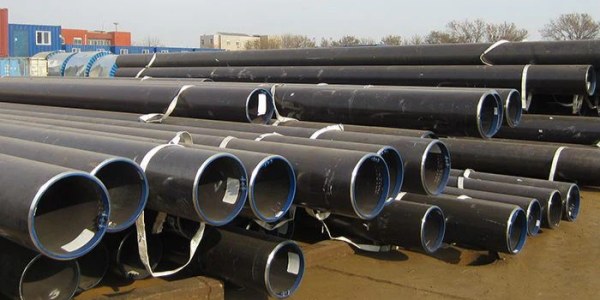
1. What Is EN 10219 S275JOH?
EN 10219 S275JOH refers to a non-alloy structural steel grade defined under the EN 10219 standard, which covers cold-formed welded hollow sections (not seamless).
“S” = Structural steel
“275” = Minimum yield strength of 275 MPa
“JOH” = Impact test at 0°C + hollow section application
These pipes are typically produced in:
Square Hollow Sections (SHS)
Rectangular Hollow Sections (RHS)
Circular Hollow Sections (CHS)
Chemical Composition of EN 10219 S275JOH Carbon Steel Pipes
|
Steel Grade
|
Type of
De�-Oxidation a
|
% by
mass, maximum
|
|
Steel Name
|
Steel Number
|
C
|
Si
|
Mn
|
P
|
S
|
N b
|
|
En 10219 S275JOH Tube
|
1.0149
|
FF
|
0,20
|
—
|
1,50
|
0,035
|
0,035
|
0,009
|
EN 10219 S275JOH Pipes Mechanical Properties
|
Steel Grade
|
Minimum
yield strength ReH MPa
|
Tensile
strength Rm MPa
|
Minimum
elongation A d %
|
Minimum
impact energy KV e J
|
|
Specified thickness mm
|
Specified
thickness mm
|
Specified
thickness mm
|
at
test temperature of
|
|
Steel Name
|
Steel Number
|
≤16
|
> 16 ≤ 40
|
< 3
|
≥ 3 ≤ 40
|
≤ 40
|
-20°C
|
0°C
|
20°C
|
|
Carbon Steel S275JOH EN 10219 Pipes
|
1.0149
|
275
|
265
|
430-580
|
410-560
|
20 c
|
–
|
27
|
–
|
EN10219 Grade S275JOH Steel Equivalent Properties
|
Steel grade
|
Maximum CEV for
nominal thicknesses
≤40mm
|
|
Steel name
|
Steel number
|
|
S275JOH En 10219 Carbon Steel Pipes
|
1.0149
|
0,40
|
EN 10219 S275JOH Carbon Steel Pipe Sizes
|
1/8" IPS(.405" O.D.)
|
3 1/2" IPS( 4.000" O.D.)
|
|
SCH 40, 80
|
SCH 10, 40, 80, 160, XXH
|
|
1/4" IPS(.540" O.D.)
|
4" IPS(4.500" O.D.)
|
|
SCH 10, 40, 80
|
SCH 10, 40, 80, 160, XXH
|
|
3/8" IPS(.675" O.D.)
|
5" IPS( 5.563" O.D.)
|
|
SCH 10, 40, 80
|
SCH 10, 40, 80, 160, XXH
|
|
1/2" IPS(.840" O.D.)
|
6" IPS(6.625" O.D.)
|
|
SCH 5, 10, 40, 80, 160, XXH
|
SCH 5, 10, 40, 80, 120, 160, XXH
|
|
3/4" IPS(1.050" O.D.)
|
8 ” IPS(8.625" O.D.)
|
|
SCH 10, 40, 80, 160, XXH
|
SCH 5, 10, 40, 80, 120, 160, XXH
|
|
1" IPS:(1.315′ O.D.)
|
10" IPS(10.750" O.D.)
|
|
SCH 5, 10, 40, 80, 160, XXH
|
SCH 10, 20, 40, 80 (.500), TRUE 80(.500)
|
|
1-1/4" IPS(1.660" O.D.)
|
12" IPS(12.750" O.D.)
|
|
SCH 10, 40, 80, 160, XXH
|
SCH 10, 20, 40(.375), TRUE40(.406), SCH80(.500)
|
|
1-1/2" IPS(1.900" O.D.)
|
14" IPS(14.000" O.D.)
|
|
SCH 10, 40, 80, 160, XXH
|
SCH10 (.188), SCH40 (.375)
|
|
2" IPS(2.375" O.D.)
|
16" IPS(16.000" O.D.)
|
|
SCH 10, 40, 80, 160, XXH
|
SCH10(.188), SCH40(.375)
|
|
2 1/2" IPS(2.875" O.D.)
|
18" IPS (18.000" O.D.)
|
|
SCH 10, 40, 80, 160, XXH
|
SCH-40 (.375)
|
|
3" IPS( 3.500" O.D.)
|
|
|
SCH 5, 10, 40, 80, 160, XXH
|
|
Key Advantages of EN 10219 S275JOH Carbon Steel Pipe
Cost-effective material for structural projects
Excellent weldability for fabrication
Good strength-to-weight ratio
Uniform dimensions due to cold forming
Versatile shapes (square, rectangular, round)
Typical Applications of EN 10219 S275JOH Carbon Steel Pipe
EN 10219 S275JOH pipes are widely used in:
Construction & Structural Engineering
Steel frames and columns
Building supports and beams
Roof trusses
Infrastructure Projects
Bridges and railings
Highway structures
Sign supports
Mechanical & Industrial Use
Equipment frame
Storage racks
Machinery structures
S275JOH vs Other Grades
|
Grade
|
Strength
|
Application
|
|
S235JOH
|
Lower
|
Light structures
|
|
S275JOH
|
Medium
|
General structural use
|
|
S355JOH
|
Higher
|
Heavy-duty structures
|
Conclusion
EN 10219 S275JOH carbon steel pipes offer a balanced combination of strength, formability, and cost efficiency, making them one of the most widely used materials in structural engineering and fabrication projects.
FAQ
Q1: Is S275JOH seamless or welded?
A: It is typically cold-formed welded (ERW), not seamless.
Q2: What does “275” mean?
A: Minimum yield strength of 275 MPa.
Q3: Is S275JOH easy to weld?
A: Yes, due to its low carbon content.
Q4: What shapes are available?
A: Square, rectangular, and round tubes.
Q5: Where is it mainly used?
A: Construction, infrastructure, and mechanical structures.

 English
 Español


 Tel : +86-18565811709
 Email :
 News
News