API 5LC and API 5CT stainless steel pipes and casings are widely used in the oil and gas industry where corrosion resistance, high strength, and long-term reliability are required. Compared with conventional carbon steel pipes, stainless steel and corrosion resistant alloy (CRA) pipes provide better performance in sour service, offshore drilling, and high-temperature environments.
At Union Steel Industry, stainless steel pipes and casings are supplied according to API, ANSI, and international industrial standards for demanding pipeline projects.
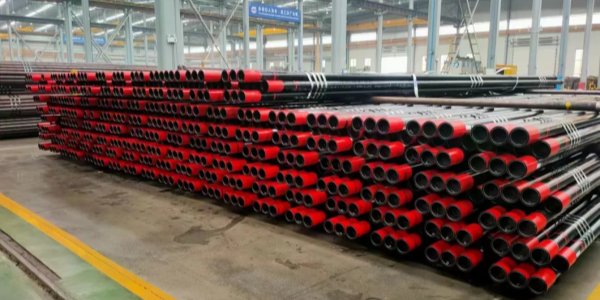
What Are API 5LC and API 5CT Pipes?
API 5LC
API 5LC is a specification related to corrosion resistant alloy line pipe used for transporting oil, natural gas, water, and corrosive fluids.
It focuses on:
Corrosion resistance
Chemical composition
Mechanical properties
Sour service performance
High-pressure transportation
API 5CT
API 5CT is the standard for casing and tubing used in oil and gas wells.
It covers:
Steel casing
Tubing
Couplings
Thread requirements
Mechanical performance
These standards are widely recognized in global petroleum engineering projects.
Advantages of Stainless Steel Pipe in Oil & Gas Applications
Stainless steel pipe and casing offer several advantages:
Excellent corrosion resistance
High yield strength
Good resistance to H₂S and CO₂
Long service life
Reduced maintenance costs
Better performance in offshore environments
They are commonly used in:
Offshore platforms
Sour gas wells
Refinery systems
Chemical processing pipelines
High-temperature transmission systems
Chemical Composition of API Stainless Steel Pipe
The following table summarizes the chemical composition shown in the specification sheet.
Chemical Composition Table (%)
|
Standard
|
Grade
|
C
|
Mn
|
P
|
S
|
Si
|
Ni
|
Cr
|
Mo
|
N
|
Cu
|
Others
|
|
API 5LC
|
LC30-1812 (S31603/S31653)
|
0.030
|
2.00
|
0.040
|
0.030
|
0.75
|
10.0–15.0
|
16.0–18.0
|
2.0–3.0
|
0.16
|
—
|
—
|
|
API 5LC
|
LC52-1200 (S41008)
|
0.080
|
1.00
|
0.040
|
0.030
|
0.75
|
0.5
|
11.5–13.5
|
—
|
—
|
—
|
—
|
|
API 5LC
|
LC65-2205 (S31803)
|
0.030
|
2.00
|
0.030
|
0.020
|
1.00
|
4.5–6.5
|
21.0–23.0
|
2.5–3.5
|
0.08–0.20
|
—
|
—
|
|
API 5LC
|
LC65-2507 (S32760)
|
0.030
|
1.00
|
0.030
|
0.030
|
0.75
|
5.5–7.5
|
24.0–26.0
|
2.5–3.5
|
0.10–0.30
|
1.5
|
W:0.50
|
|
API 5LC
|
LC30-2242 (N08825)
|
0.050
|
1.00
|
0.030
|
0.030
|
0.50
|
38.0–46.0
|
19.5–23.5
|
2.5–3.5
|
—
|
1.5–3.0
|
Ti:0.6–1.2
|
|
API 5CT
|
L80-13Cr
|
0.15–0.22
|
0.5–1.0
|
0.020
|
0.010
|
1.00
|
0.50
|
12.0–14.0
|
—
|
—
|
—
|
0.25
|
Mechanical Properties of API Stainless Steel Pipe
Mechanical performance is critical in oilfield tubing and casing applications.
Mechanical Property Table
|
Standard
|
Grade
|
Yield Strength Min (psi)
|
Yield Strength Min (MPa)
|
Tensile Strength Min (psi)
|
Tensile Strength Min (MPa)
|
Elongation Min (%)
|
Hardness Max (HRC)
|
|
API 5LC
|
LC30-1812 (S31603/S31653)
|
30000
|
207
|
70000
|
482
|
25
|
—
|
|
API 5LC
|
LC52-1200 (S41008)
|
52000
|
358
|
66000
|
455
|
20
|
22
|
|
API 5LC
|
LC65-2205 (S31803)
|
65000
|
448
|
90000
|
621
|
25
|
—
|
|
API 5LC
|
LC65-2507 (S32760)
|
65000
|
448
|
95000
|
656
|
25
|
—
|
|
API 5LC
|
LC30-2242 (N08825)
|
30000
|
207
|
80000
|
551
|
30
|
—
|
|
API 5CT
|
L80-13Cr
|
552–655
|
—
|
655
|
—
|
—
|
23
|
Stainless Steel Pipe Size Chart (ANSI B36.10 / B36.19)
The specification sheet also includes stainless steel pipe dimensions according to ANSI B36.10 and ANSI B36.19 standards.
Common Stainless Steel Pipe Sizes
|
DN
|
NPS
|
OD (mm)
|
|
6
|
1/8
|
10.3
|
|
8
|
1/4
|
13.7
|
|
10
|
3/8
|
17.1
|
|
15
|
1/2
|
21.3
|
|
20
|
3/4
|
26.7
|
|
25
|
1
|
33.4
|
|
32
|
1-1/4
|
42.2
|
|
40
|
1-1/2
|
48.3
|
|
50
|
2
|
60.3
|
|
65
|
2-1/2
|
73.0
|
|
80
|
3
|
88.9
|
|
100
|
4
|
114.3
|
|
150
|
6
|
168.3
|
|
200
|
8
|
219.1
|
|
250
|
10
|
273.1
|
|
300
|
12
|
323.9
|
|
350
|
14
|
355.6
|
|
400
|
16
|
406.4
|
|
450
|
18
|
457
|
|
500
|
20
|
508
|
|
550
|
22
|
559
|
|
600
|
24
|
610
|
|
650
|
26
|
660
|
|
700
|
28
|
711
|
|
750
|
30
|
762
|
|
800
|
32
|
813
|
|
850
|
34
|
864
|
|
900
|
36
|
914
|
Why API Stainless Steel Pipes Are Important
Modern oil and gas exploration faces increasingly harsh operating environments:
High-pressure wells
Offshore drilling
Sour gas transportation
High-temperature production
Seawater exposure
Under these conditions, ordinary carbon steel pipes may suffer from:
Pitting corrosion
Sulfide stress cracking
Chloride attack
Premature failure
API stainless steel and CRA pipes help improve:
Operational safety
Pipeline lifespan
Corrosion resistance
Production reliability
How to Select the Right API Stainless Steel Pipe
Consider the Corrosion Environment
Evaluate:
H₂S concentration
CO₂ content
Chloride exposure
Operating temperature
Check Strength Requirements
Deep wells and offshore systems may require high-yield-strength materials such as duplex or super duplex stainless steel.
Verify Standards
Ensure compliance with:
API 5LC
API 5CT
ANSI B36.10
ANSI B36.19
Evaluate Cost and Service Life
Higher alloy materials may increase initial cost but significantly reduce maintenance and replacement expenses.
FAQ
What is API 5CT pipe?
API 5CT pipe is oilfield casing and tubing used in drilling and production wells.
What is the difference between API 5LC and API 5CT?
API 5LC focuses on corrosion resistant alloy line pipe, while API 5CT mainly covers casing and tubing for oil wells.
Why use stainless steel pipe in oilfields?
Stainless steel pipe provides better corrosion resistance and longer service life in harsh environments.
What are common stainless steel grades for oil and gas?
Common grades include S31603, S31803, S32760, N08825, and L80-13Cr.
What standards define stainless steel pipe dimensions?
ANSI B36.10 and ANSI B36.19 are common dimensional standards for stainless steel pipes.

 English
 Español


 Tel : +86-18565811709
 Email :
 News
News