Corrosion Resistant Alloy (CRA) pipes and casings are widely used in harsh oilfield and energy environments where conventional carbon steel pipes may fail due to corrosion, high pressure, high temperature, or sour service conditions. These alloy pipes are specifically designed to resist H₂S, CO₂, chloride corrosion, and aggressive chemical media.
In offshore oil & gas production, deep well drilling, chemical processing, and high-temperature transportation systems, corrosion resistant alloy tubing and casing provide long service life, improved operational safety, and lower maintenance costs.
At Union Steel Industry, corrosion resistant alloy pipes and casings are supplied according to international standards for demanding industrial applications.
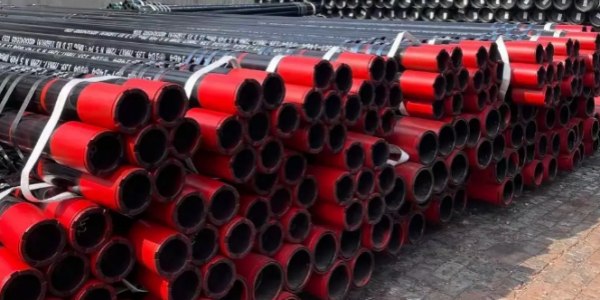
Common Grades of Corrosion Resistant Alloy Pipe
|
UNS Number
|
Material Type
|
Main Features
|
|
S31803
|
Duplex Stainless Steel
|
Good strength and corrosion resistance
|
|
S32750
|
Super Duplex Stainless Steel
|
Excellent chloride corrosion resistance
|
|
S32760
|
Super Duplex Stainless Steel
|
High strength and seawater resistance
|
|
N08028
|
Nickel Alloy Stainless Steel
|
Strong acid corrosion resistance
|
|
N08825
|
Incoloy 825 Alloy
|
Excellent resistance to sulfuric and phosphoric acid
|
|
N10276
|
Hastelloy C276 Alloy
|
Outstanding resistance in highly corrosive environments
|
These materials are widely selected for offshore oilfields, refineries, and chemical industries.
Chemical Composition of Corrosion Resistant Alloy Pipe
The following table summarizes the chemical composition ranges shown in the provided material specification sheet.
Chemical Composition Table (%)
|
UNS Number
|
Ni
|
Cu
|
Mo
|
Fe
|
Mn
|
C
|
Si
|
S
|
Cr
|
Al
|
Ti
|
P
|
N
|
Co
|
W
|
|
S31803
|
4.5–6.5
|
—
|
2.5–3.5
|
—
|
2.00
|
0.03
|
1.00
|
0.02
|
21.0–23.0
|
—
|
—
|
0.03
|
0.08–0.20
|
—
|
—
|
|
S32750
|
6.0–8.0
|
0.50
|
3.0–5.0
|
—
|
1.20
|
0.03
|
0.80
|
0.02
|
24.0–26.0
|
—
|
—
|
0.035
|
0.24–0.32
|
—
|
—
|
|
S32760
|
6.0–8.0
|
0.50–1.0
|
2.0–4.0
|
—
|
1.00
|
0.05
|
1.00
|
0.01
|
24.0–26.0
|
—
|
—
|
0.03
|
0.20–0.30
|
—
|
0.50–1.00
|
|
N08028
|
30.0–34.0
|
0.6–1.4
|
3.0–4.0
|
Balance
|
2.50
|
0.03
|
1.00
|
0.030
|
26.0–28.0
|
—
|
—
|
—
|
—
|
—
|
—
|
|
N08825
|
38.0–46.0
|
1.5–3.0
|
2.5–3.5
|
≥22.0
|
1.00
|
0.05
|
0.50
|
0.030
|
19.5–23.5
|
0.20
|
0.6–1.2
|
—
|
—
|
—
|
—
|
|
N10276
|
Balance
|
—
|
15.0–17.0
|
4.0–7.0
|
1.00
|
0.01
|
0.08
|
0.030
|
14.5–16.5
|
—
|
—
|
0.040
|
—
|
2.5
|
3.0–4.5
|
Mechanical Properties of Corrosion Resistant Alloy Pipe
Mechanical properties are critical for selecting tubing and casing materials used in high-pressure wells and subsea systems.
Mechanical Property Table
|
UNS Number
|
Grade
|
Delivery Condition
|
Rp0.2 (MPa) Min
|
Rp0.2 (MPa) Max
|
Rm (MPa) Min
|
EL (%) Min
|
HRC Max
|
|
S31803
|
65
|
SA Solid Solution
|
448
|
621
|
631
|
25
|
26
|
|
S31803
|
110
|
CH Cold Worked
|
758
|
965
|
862
|
11
|
36
|
|
S31803
|
125
|
CH Cold Worked
|
862
|
1000
|
896
|
10
|
36
|
|
S32750
|
80
|
SA Solid Solution
|
552
|
724
|
758
|
20
|
28
|
|
S32750
|
90
|
SA Solid Solution
|
621
|
724
|
793
|
20
|
30
|
|
S32750
|
110
|
CH Cold Worked
|
758
|
965
|
862
|
12
|
36
|
|
S32750
|
125
|
CH Cold Worked
|
862
|
1000
|
896
|
10
|
36
|
|
S32760
|
80
|
SA Solid Solution
|
552
|
724
|
758
|
20
|
28
|
|
S32760
|
90
|
SA Solid Solution
|
621
|
724
|
793
|
20
|
30
|
|
S32760
|
110
|
CH Cold Worked
|
758
|
965
|
862
|
12
|
36
|
|
S32760
|
125
|
CH Cold Worked
|
862
|
1000
|
896
|
10
|
36
|
|
N08028
|
110
|
CH Cold Worked
|
758
|
862
|
793
|
11
|
33
|
|
N08028
|
125
|
CH Cold Worked
|
862
|
965
|
896
|
10
|
35
|
|
N08825
|
110
|
CH Cold Worked
|
758
|
965
|
793
|
11
|
33
|
|
N08825
|
125
|
CH Cold Worked
|
862
|
965
|
896
|
10
|
35
|
|
N10276
|
110
|
CH Cold Worked
|
758
|
965
|
793
|
11
|
35
|
|
N10276
|
125
|
CH Cold Worked
|
862
|
1034
|
896
|
10
|
37
|
|
N10276
|
140
|
CH Cold Worked
|
965
|
1103
|
1000
|
9
|
38
|
International Standards for CRA Pipe and Casing
According to the specification shown in the image, the main implementation standards include:
ISO 13680
GB/T 23802
Enterprise Standards
Applications of Corrosion Resistant Alloy Pipe
Offshore Oil & Gas
Super duplex stainless steel pipes such as S32750 and S32760 are extensively used in offshore platforms due to excellent seawater corrosion resistance.
Sour Service Wells
Nickel alloy pipes like N08825 and N10276 perform well in H₂S and CO₂ environments where standard carbon steel may crack or corrode rapidly.
Chemical Processing
CRA pipes resist strong acids and chlorides, making them suitable for:
Acid transportation
Heat exchangers
Reactor systems
Chemical storage
High Temperature Systems
Duplex and nickel alloy tubing maintains strength and corrosion resistance at elevated temperatures.
How to Select the Right Corrosion Resistant Alloy Pipe
When selecting CRA tubing or casing, engineers should evaluate:
Corrosion Environment
Consider:
Chloride concentration
H₂S content
CO₂ level
Acid type
Temperature
Mechanical Strength Requirements
Higher yield strength grades may be required for:
Deep wells
HPHT applications
Offshore systems
Cost vs Performance
Nickel alloys provide exceptional corrosion resistance but are generally more expensive than duplex stainless steels.
Manufacturing Standards
Always verify compliance with ISO, ASTM, API, or project-specific standards.
FAQ
1. What is corrosion resistant alloy pipe?
Corrosion resistant alloy (CRA) pipe is a high-performance steel pipe designed for corrosive environments such as offshore oilfields, chemical plants, and sour gas systems.
2. What are common CRA pipe materials?
Common grades include S31803, S32750, S32760, N08028, N08825, and N10276.
3. Where are CRA pipes mainly used?
They are widely used in oil & gas, offshore engineering, chemical processing, geothermal projects, and high-temperature pipelines.
4. Why use super duplex stainless steel pipe?
Super duplex stainless steel provides high strength and excellent resistance to chloride corrosion and seawater environments.
5. What standards are used for CRA tubing and casing?
Typical standards include ISO 13680, GB/T 23802, ASTM, and project-specific specifications.

 English
 Español


 Tel : +86-18565811709
 Email :
 News
News