ASTM A106 Seamless Pipe for Industrial Projects
ASTM A106 seamless pipe is widely used in industrial piping systems that require carbon steel pipes suitable for high-temperature service. For bulk orders, EPC projects, and industrial procurement, the supply requirements typically extend beyond material selection to include dimensions, pipe length, end preparation, inspection, documentation, packaging, and delivery.
At Union Steel Industry, project orders can be coordinated according to the applicable purchase specification and technical requirements. Confirming these details before production helps ensure that the supplied pipes match the project's requirements.
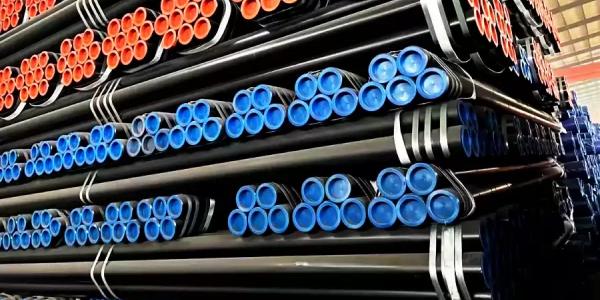
Key Requirements for ASTM A106 Seamless Pipe Project Orders
A complete project order should clearly define the required pipe grade, dimensions, finishing details, inspection scope, and delivery arrangements.
|
Specification Item
|
Project Requirements
|
|
Grade and Specification
|
ASTM A106 Grade A, Grade B, or Grade C, as specified
|
|
Dimensions
|
Outside diameter, wall thickness, and pipe schedule
|
|
Length
|
Required pipe length according to the purchase order
|
|
End Preparation
|
Plain ends or beveled ends
|
|
Inspection and Documentation
|
Material certificates, testing records, dimensional inspection, and other specified documents
|
|
Packaging and Marking
|
According to project and shipment requirements
|
|
Delivery
|
Coordinated according to the order schedule and delivery requirements
|
The final supply scope should be confirmed against the approved purchase specification before production begins.
ASTM A106 Pipe Grades for Project Procurement
ASTM A106 covers seamless carbon steel pipe intended for high-temperature service. The applicable grade should be selected according to the project specification and engineering requirements.
ASTM A106 Grade A: Available where permitted by the project specification.
ASTM A106 Grade B: Commonly specified for industrial piping applications.
ASTM A106 Grade C: Used when required by the applicable design and purchase requirements.
Grade selection should be based on the specified material requirements rather than price or availability alone. Buyers should confirm the required grade and applicable standard edition before placing a bulk order.
Dimensions, Wall Thickness and Pipe Length
Dimensional requirements are essential for ensuring compatibility with the project's piping design and installation plan. Before procurement, buyers should specify:
Outside diameter and nominal pipe size
Wall thickness or schedule
Required pipe length
Dimensional tolerances, where specified
Plain-end or beveled-end requirements
The dimensions and lengths supplied should match the approved drawings and purchase order. Any special requirements should be clarified before manufacturing to reduce the risk of rework or installation delays.
Inspection and Documentation for ASTM A106 Project Orders
Inspection and documentation requirements should be defined at the procurement stage, particularly for EPC projects and orders involving multiple pipe sizes or material grades.
Depending on the purchase specification, required documents and checks may include:
Material test certificates
Chemical composition and mechanical test records
Dimensional inspection reports
Applicable testing records
Product identification and traceability documents
Additional inspection reports or third-party inspection records, when specified
Not every project requires the same inspection scope. The applicable standard, purchase order, and inspection and test plan should determine which examinations and documents are required.
Packaging, Marking and Delivery Coordination
Packaging and delivery arrangements help protect pipes during handling, storage, and transportation. For bulk and project orders, these arrangements should be coordinated with the delivery destination, transport method, and site receiving requirements.
Important considerations include pipe marking and identification, suitable packaging, shipment quantities, delivery schedules, and any project-specific packing instructions.
For orders containing different sizes or grades, clear identification and documentation can also help simplify receiving inspections and material allocation at the construction site.
How to Prepare an ASTM A106 Seamless Pipe Purchase Order
To support accurate quotation and order execution, buyers should provide the following information wherever applicable:
Material specification: ASTM A106 grade and any additional project requirements.
Pipe dimensions: Outside diameter, wall thickness or schedule, and length.
End preparation: Plain ends, beveled ends, or other specified requirements.
Inspection scope: Required testing, inspection procedures, and acceptance criteria.
Documentation: Material certificates and other required records.
Packaging and delivery: Marking, packing instructions, destination, and requested delivery schedule.
Clear procurement information helps suppliers review the technical requirements and coordinate production, inspection, documentation, and shipment more effectively.
Conclusion
ASTM A106 seamless pipe project orders require careful coordination of material grades, dimensions, lengths, end preparation, inspection, documentation, packaging, and delivery. For bulk procurement and EPC projects, confirming these requirements before production helps reduce specification discrepancies and supports smoother project execution.
Union Steel Industry can coordinate ASTM A106 seamless pipe supply according to confirmed purchase specifications and project requirements. Providing complete technical and delivery information at the inquiry stage helps establish a clear basis for quotation and order planning.
FAQ
1. Which ASTM A106 grades can be specified for project orders?
ASTM A106 Grade A, Grade B, and Grade C may be specified according to the applicable purchase requirements.
2. What information is needed to request a quotation?
Buyers should provide the grade, outside diameter, wall thickness or schedule, pipe length, end preparation, inspection requirements, and delivery details.
3. What documents may be required for ASTM A106 project orders?
Depending on the purchase specification, documents may include material certificates, chemical and mechanical test records, dimensional inspection reports, and other specified quality records.
4. Can pipe lengths and end preparations be specified?
Yes. Required pipe lengths and plain or beveled ends should be stated in the purchase order.
5. Why should project requirements be confirmed before production?
Early confirmation helps ensure that material, dimensions, inspection, documentation, and delivery arrangements align with the approved project specification.

 English
 Español


 Tel : +86-18565811709
 Email :
 News