Quick Overview
ASTM A135 sprinkler pipes are electric-resistance-welded (ERW) steel pipes widely used in fire protection systems. They are primarily designed for low-pressure applications, including automatic sprinkler systems in commercial and industrial buildings.
Standard Size Range (Typical):
NPS (Nominal Pipe Size): 1/2" to 24"
Outer Diameter (OD): 21.3 mm to 609.6 mm
Wall Thickness: Based on Schedule (Sch 10, Sch 40, etc.)
What is ASTM A135 Sprinkler Pipe?
ASTM A135 is a standard specification covering black and hot-dipped galvanized welded steel pipes used for conveying gas, vapor, water, or other fluids.
In fire protection systems, ASTM A135 pipes are commonly used for:
Wet sprinkler systems
Dry sprinkler systems
Fire water distribution pipelines
Compared to ASTM A53, ASTM A135 pipes are typically used in lower-pressure sprinkler applications and offer a cost-effective solution.
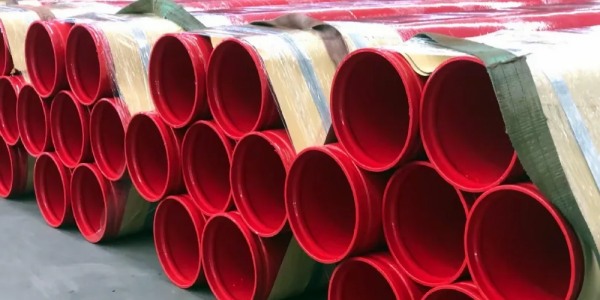
ASTM A135 Sprinkler Pipe Size Chart
Below is a commonly used size chart for sprinkler system design:
|
NPS (inch)
|
OD (mm)
|
Typical Wall Thickness (mm)
|
Application
|
|
1/2"
|
21.3
|
2.77 – 3.73
|
Branch lines
|
|
3/4"
|
26.7
|
2.87 – 3.91
|
Light systems
|
|
1"
|
33.4
|
3.38 – 4.55
|
Small distribution
|
|
1-1/2"
|
48.3
|
3.68 – 5.08
|
Medium systems
|
|
2"
|
60.3
|
3.91 – 5.54
|
Water supply
|
|
4"
|
114.3
|
4.55 – 6.02
|
Main lines
|
|
6"
|
168.3
|
5.16 – 7.11
|
Large systems
|
|
8"–24"
|
219–609
|
Custom
|
Industrial fire systems
|
Key Characteristics of ASTM A135 Pipes
1. Manufacturing Process
Produced by Electric Resistance Welding (ERW)
Smooth internal surface for efficient water flow
Consistent wall thickness
2. Surface Options
Black steel pipe
Hot-dip galvanized pipe (for corrosion resistance)
3. Pressure Performance
Designed for low to moderate pressure systems
Suitable for most building fire sprinkler networks
4. Cost Efficiency
Lower cost than seamless pipes
Ideal for large-scale fire protection installations
ASTM A135 vs ASTM A53 for Sprinkler Systems
|
Feature
|
ASTM A135
|
ASTM A53
|
|
Manufacturing
|
ERW only
|
ERW + Seamless
|
|
Pressure Rating
|
Lower
|
Higher
|
|
Cost
|
More economical
|
Higher
|
|
Application
|
Sprinkler systems
|
General piping, structural
|
Conclusion:
ASTM A135 is preferred when cost efficiency and standard sprinkler performance are required.
How to Select the Right Sprinkler Pipe Size
Step 1: Determine System Demand
Flow rate (GPM)
Pressure requirements
Step 2: Consider Pipe Layout
Branch lines → smaller diameters
Main lines → larger diameters
Step 3: Evaluate Standards Compliance
Must meet ASTM A135
Follow NFPA fire protection codes
Step 4: Choose Surface Treatment
Indoor → black steel
Humid/corrosive → galvanized
Applications of ASTM A135 Sprinkler Pipes
ASTM A135 pipes are widely used in:
Commercial buildings
Warehouses
Factories
Shopping malls
Residential fire protection systems
FAQ
1. What is the standard size range of ASTM A135 sprinkler pipes?
ASTM A135 pipes typically range from 1/2 inch to 24 inches in nominal diameter, covering most fire protection needs.
2. Is ASTM A135 suitable for high-pressure fire systems?
No. ASTM A135 is mainly designed for low to medium pressure applications. For higher pressure systems, ASTM A53 or seamless pipes are recommended.
3. Can ASTM A135 pipes be galvanized?
Yes. ASTM A135 pipes are available in black and hot-dip galvanized finishes, with galvanized pipes offering better corrosion resistance.
4. What is the difference between Schedule 10 and Schedule 40 in sprinkler pipes?
Schedule 10: thinner wall, lighter, cost-effective
Schedule 40: thicker wall, higher strength and pressure resistance
5. Are ASTM A135 pipes compliant with fire protection standards?
Yes. When properly specified, ASTM A135 pipes are widely used in systems designed according to NFPA standards.
Conclusion
ASTM A135 standard sprinkler pipes provide a reliable, cost-effective, and widely accepted solution for fire protection systems. With a broad size range and flexible configurations, they are ideal for most commercial and industrial applications.
For optimal performance, selecting the correct pipe size, wall thickness, and surface treatment is essential to meet both engineering requirements and safety standards.

 English
 Español


 Tel : +86-18565811709
 Email :
 News
News