Quick Answer
Different types of 90 degree elbows vary in material, manufacturing process, connection method, and radius. These differences affect pressure resistance, corrosion performance, installation method, and application scenarios.
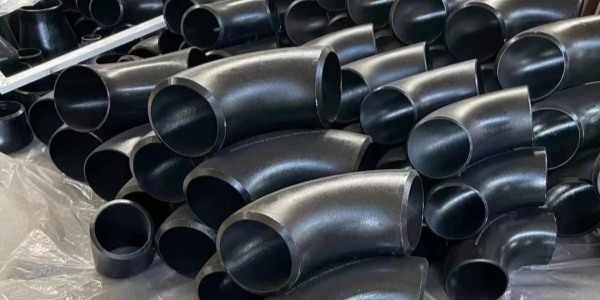
Why Understanding Elbow Differences Matters
90 degree elbows are essential pipe fittings used to change flow direction in piping systems. Although they may appear similar, selecting the wrong type can lead to installation issues, reduced service life, or even system failure.
In industries such as oil & gas, construction, and chemical processing, choosing the correct elbow type ensures system reliability, safety, and cost efficiency.
Key Differences Between Types of 90 Degree Elbows
In practical applications, 90 degree elbows are mainly differentiated by material, radius, manufacturing method, and connection type.
1. Material Differences
Material selection determines corrosion resistance, strength, and application environment.
Common types:
Carbon steel elbows:
High strength and cost-effective, suitable for general industrial use
Stainless steel elbows:
Excellent corrosion resistance, ideal for chemical and marine environments
Alloy steel elbows:
Designed for high temperature and high-pressure systems
Material choice directly impacts durability and maintenance cost.
2. Radius Type (Short Radius vs Long Radius)
The radius of the elbow affects flow characteristics and pressure loss.
Long Radius (LR) Elbow:
Radius = 1.5 × pipe diameter
Smoother flow
Lower pressure drop
Preferred for most pipeline systems
Short Radius (SR) Elbow:
Radius = 1 × pipe diameter
Compact design
Used where space is limited
Higher flow resistance
LR elbows are more common in standard pipelines, while SR elbows are used in tight layouts.
3. Manufacturing Method
Different production processes affect strength and application range.
Seamless elbows:
No weld seam
Higher pressure resistance
Suitable for critical systems
Welded elbows:
Made from steel plates or pipes
More cost-effective
Suitable for low to medium pressure
Seamless elbows are preferred in high-risk applications.
4. Connection Type
Connection methods influence installation and maintenance.
Butt weld elbows:
Strong and permanent connection
Used in high-pressure systems
Threaded elbows:
Easy installation
Suitable for small diameter pipes
Flanged elbows:
Easy to assemble and disassemble
Ideal for systems requiring frequent maintenance
Butt weld is the most widely used in industrial pipelines.
5. Wall Thickness (Standard vs Heavy Duty)
Wall thickness determines pressure-bearing capacity.
Standard wall (STD): General applications
Schedule 40 / 80 / 160: Increasing pressure resistance
Higher schedule = stronger but heavier and more expensive.
How to Choose the Right 90 Degree Elbow
Selecting the right elbow requires balancing multiple factors.
Key considerations include:
Operating pressure and temperature
Corrosion environment
Installation space
Connection requirements
Budget and lifecycle cost
In most cases:
High pressure → seamless + butt weld + LR
Limited space → SR elbow
Corrosive environment → stainless steel
Conclusion
Although all 90 degree elbows serve the same basic function, their differences in material, radius, manufacturing method, and connection type significantly impact performance. Proper selection ensures better flow efficiency, longer service life, and reduced maintenance costs in industrial piping systems.
FAQ
What is the difference between long radius and short radius elbows?
Long radius elbows have smoother flow and lower pressure loss, while short radius elbows save space.
Which type of elbow is best for high-pressure systems?
Seamless butt weld elbows are preferred for high-pressure applications.
Are stainless steel elbows better than carbon steel?
They offer better corrosion resistance but are more expensive.
What is the most common 90 degree elbow type?
Long radius butt weld elbows are the most widely used.
How to choose the right elbow type?
Based on pressure, environment, space, and connection requirements.

 English
 Español


 Tel : +86-18565811709
 Email :
 News
News