What is ASTM A213 Alloy Seamless Steel Tube?
ASTM A213 is a specification covering seamless ferritic alloy steel and austenitic stainless steel tubes for high-temperature and high-pressure service.
Compared with conventional carbon steel tubes, ASTM A213 alloy seamless tubes offer superior heat resistance, oxidation resistance, and creep strength, making them ideal for long-term elevated-temperature operation.
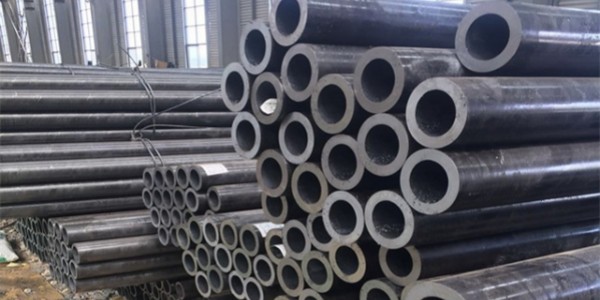
1. ASTM A213 Specification Range
Common Size Range
|
Item
|
Specification
|
|
Product Type
|
Seamless Steel Tube
|
|
Outside Diameter
|
6.35 mm (1/4") – 127 mm (5")
|
|
Wall Thickness
|
0.9 mm – 12 mm (typical)
|
|
Length
|
Fixed Length, Random Length, U-Bend
|
|
Standard
|
ASME B36.10
|
|
Schedule
|
SCH 10 – SCH 160, XS, XXS
|
Most boiler and heat exchanger tubes are supplied in small-diameter sizes for efficient heat transfer.
2. Common ASTM A213 Grades
ASTM A213 includes both low-alloy and high-alloy steel grades.
Ferritic Alloy Steel Grades
T2
T5
T9
T11
T12
T22
Advanced High-Temperature Grades
T91
T92
Austenitic Stainless Steel Grades
TP304
TP304L
TP316
TP316L
TP321
TP347H
Each grade is designed for specific operating temperatures, pressures, and corrosion environments.
3. Key Characteristics of ASTM A213 Tubes
Excellent High-Temperature Strength
ASTM A213 tubes maintain mechanical stability under prolonged exposure to elevated temperatures.
Benefits include:
High creep resistance
Excellent thermal stability
Long service life
Superior Oxidation Resistance
Chromium and alloying elements help resist scaling and oxidation at high temperatures.
This makes ASTM A213 tubes suitable for:
Superheaters
Reheaters
Furnace systems
Seamless Construction
Because ASTM A213 tubes are seamless:
No weld defects
Improved pressure resistance
Better structural integrity
Reduced failure risk
Excellent Mechanical Properties
The alloy composition and heat treatment process provide:
High tensile strength
Good toughness
Improved fatigue resistance
Strict Quality Control
ASTM A213 requires rigorous testing, including:
Chemical analysis
Tensile testing
Hardness testing
Hydrostatic testing
Eddy current testing
Ultrasonic examination
4. Typical Applications
ASTM A213 alloy seamless tubes are commonly used in:
Power generation boilers
Superheaters and reheaters
Heat exchangers
Petrochemical processing units
Refinery equipment
High-temperature piping systems
For ultra-supercritical power plants, T91 and T92 are among the most widely specified grades.
5. Grade Selection Guide
|
Operating Condition
|
Recommended Grade
|
|
Medium-temperature boilers
|
T11, T12
|
|
High-temperature boilers
|
T22
|
|
Supercritical power plants
|
T91
|
|
Ultra-supercritical plants
|
T92
|
|
Corrosive environments
|
TP304, TP316
|
|
High-purity systems
|
TP316L, TP347H
|
Why ASTM A213 Is Widely Used
ASTM A213 combines:
High-temperature resistance
Pressure-bearing capability
Corrosion resistance
Seamless reliability
These advantages make it one of the most important tube standards in the global power generation and heat exchanger industries.
FAQ
1. What is ASTM A213 used for?
ASTM A213 tubes are used in boilers, superheaters, heat exchangers, and high-temperature industrial systems.
2. Is ASTM A213 seamless or welded?
ASTM A213 covers seamless alloy steel and stainless steel tubes.
3. What are the most common ASTM A213 grades?
T11, T22, T91, T92, TP304, and TP316 are among the most widely used grades.
4. What is the difference between T22 and T91?
T91 offers significantly higher creep strength and is commonly used in supercritical power plants.
5. Why choose ASTM A213 tubes?
They provide excellent heat resistance, pressure performance, and long-term reliability in demanding environments.
Conclusion
ASTM A213 is one of the most widely used standards for high-temperature alloy seamless steel tubes. With grades ranging from T11 and T22 to advanced T91 and T92, it provides reliable performance for boilers, heat exchangers, and power generation systems. Selecting the appropriate grade based on operating temperature, pressure, and service conditions is essential for achieving safe and efficient long-term operation.

 English
 Español


 Tel : +86-18565811709
 Email :
 News
News