Selecting a steel tube for a boiler, heat exchanger, pressure piping system, or high-temperature process line requires more than choosing a diameter and wall thickness. The material standard and grade determine the applicable service conditions, manufacturing requirements, and inspection criteria.
The supplied TÜV Rheinland approved material list covers a broad range of ASME and ASTM carbon steel and alloy steel tube specifications, including materials for heat exchangers, boilers, pressure service, high-temperature applications, and low-temperature environments.
This guide focuses on the carbon and alloy steel portion of the list and organizes the materials by their typical engineering role.
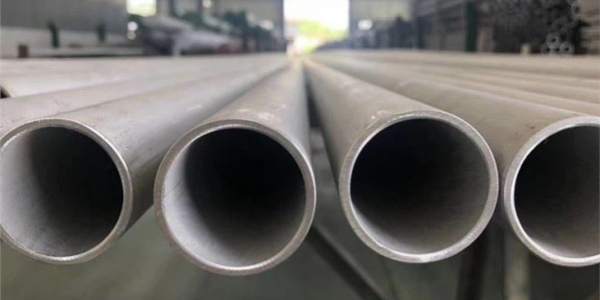
Carbon and Alloy Steel Tube Standards at a Glance
The material list includes the following major ASTM/ASME specifications:
|
Standard
|
Grades Listed in the Source
|
Dimension Range
|
|
ASME SA-556 / ASTM A556
|
Gr. A2, Gr. B2, Gr. C2
|
Ø15.9–31.8 mm; Thickness 1–4 mm
|
|
ASME SA-179 / ASTM A179
|
SA-179, A179
|
Ø12–38.1 mm; Thickness 1–4 mm
|
|
ASME SA-53 / ASTM A53
|
Gr. A, Gr. B
|
Ø12–219.1 mm; Thickness 1–40 mm
|
|
ASME SA-106 / ASTM A106
|
Gr. A, Gr. B, Gr. C
|
Ø12–219.1 mm; Thickness 1–40 mm
|
|
ASME SA-192 / ASTM A192
|
SA-192, A192
|
Ø12–219.1 mm; Thickness 1–40 mm
|
|
ASME SA-209 / ASTM A209
|
Gr. T1, Gr. T1a, Gr. T1b
|
Ø12–219.1 mm; Thickness 1–40 mm
|
|
ASME SA-210 / ASTM A210
|
Gr. A-1, Gr. C
|
Ø12–219.1 mm; Thickness 1–40 mm
|
|
ASME SA-213 / ASTM A213
|
Gr. T2, T11, T12, T22, T23, T91, T92
|
Ø12–219.1 mm; Thickness 1–40 mm
|
|
ASME SA-335 / ASTM A335
|
Gr. P1, P2, P11, P12, P22, P23, P91, P92
|
Ø12–219.1 mm; Thickness 1–40 mm
|
|
ASME SA-333 / ASTM A333
|
Gr. 1, Gr. 6
|
Ø12–219.1 mm; Thickness 1–40 mm
|
|
ASME SA-334 / ASTM A334
|
Gr. 1, Gr. 6
|
Ø12–219.1 mm; Thickness 1–40 mm
|
Note: The dimensions and grades above reproduce the supplied approved material list. Actual product availability, manufacturing route, testing requirements, and project acceptance should be confirmed against the applicable purchase specification.
Heat Exchanger and Boiler Tubes
Several standards in the list are closely associated with boiler and heat exchanger tube applications.
ASTM A179 / ASME SA-179
A179 is included in the material list with a dimensional range of Ø12–38.1 mm and 1–4 mm wall thickness.
For buyers, this specification is particularly relevant when the project calls for carbon steel heat exchanger and condenser tubing.
ASTM A192 / ASME SA-192
A192 is also listed with:
Outside diameter: Ø12–219.1 mm
Wall thickness: 1–40 mm
The presence of A192 alongside A179 and A210 demonstrates that the approved material list covers multiple carbon steel tube specifications used in thermal equipment.
ASTM A209 / ASME SA-209
The listed grades are:
T1
T1a
T1b
The dimensional range is Ø12–219.1 mm with 1–40 mm wall thickness.
This grade family extends the material selection beyond conventional carbon steel into alloy steel tube applications.
ASTM A210 / ASME SA-210
The source lists:
Grade A-1
Grade C
with the same Ø12–219.1 mm and 1–40 mm thickness range shown in the table.
These grades are part of the boiler and pressure-tube material group represented in the approved list.
Alloy Steel Tubes for Elevated-Temperature Service
The table also includes several Cr-Mo alloy steel tube families that are commonly encountered in high-temperature industrial equipment.
ASTM A213 / ASME SA-213
The supplied list identifies the following grades:
T2, T11, T12, T22, T23, T91 and T92
with a dimensional range of:
Ø12–219.1 mm / Thickness 1–40 mm
This broad grade selection gives engineers multiple options when specifying alloy steel tubes for demanding thermal service.
ASTM A335 / ASME SA-335
The table lists:
P1, P2, P11, P12, P22, P23, P91 and P92
within the same stated dimensional range of Ø12–219.1 mm and 1–40 mm wall thickness.
A335 is an important specification to recognize when the project involves alloy steel pipe for elevated-temperature service.
The P-grade family covers several Cr-Mo alloy compositions, allowing material selection to be matched to the project's temperature, pressure, design, and specification requirements.
General Carbon Steel Piping Materials
Not every material in the table is intended specifically for boiler tubes.
ASTM A53 / ASME SA-53
The source lists:
Grade A
Grade B
with dimensions of Ø12–219.1 mm and 1–40 mm thickness.
A53 represents a general-purpose carbon steel pipe specification and can appear in utility, structural, and process piping applications depending on the project requirements.
ASTM A106 / ASME SA-106
The listed grades are:
Grade A
Grade B
Grade C
with the same stated dimensional range of Ø12–219.1 mm and 1–40 mm.
A106 is particularly relevant when carbon steel piping is required for elevated-temperature service.
Low-Temperature Steel Tube Materials
The approved material list also contains:
ASTM A333 / ASME SA-333
Listed grades:
Grade 1
Grade 6
ASTM A334 / ASME SA-334
Listed grades:
Grade 1
Grade 6
Both specifications are shown with:
Ø12–219.1 mm / Thickness 1–40 mm
Their inclusion is important for projects where material selection must account for low-temperature service requirements rather than relying only on room-temperature mechanical performance.
How to Select the Right ASTM / ASME Tube
The large number of grades in the table shows why material selection should begin with the operating conditions rather than simply choosing a familiar ASTM number.
A practical selection process should consider:
1. Operating Temperature
Determine whether the tube will operate under normal, elevated, or low-temperature conditions.
2. Design Pressure
Pressure requirements influence the required material, wall thickness, tube dimensions, and applicable design code.
3. Equipment Type
Identify whether the tube is intended for:
Boilers
Heat exchangers
Condensers
Process piping
High-temperature piping
Low-temperature systems
4. Material Grade
Once the application and service conditions are established, select the applicable ASTM/ASME material grade.
5. Dimension
The source table provides reference dimension ranges, but the actual order should specify the required outside diameter and wall thickness.
Why Material Standards Matter
ASTM and ASME material designations are not simply product names.
They establish a framework for material chemistry, mechanical properties, manufacturing, testing, and acceptance requirements. However, the exact requirements depend on the individual specification and grade.
For procurement, it is therefore important to state the complete material designation, not just a general description such as "carbon steel tube" or "alloy steel tube."
Carbon Steel vs. Alloy Steel Tube Selection
A simplified project-level distinction is:
|
Material Group
|
Examples from the List
|
Typical Selection Consideration
|
|
Carbon Steel
|
A53, A106, A179, A192, A210
|
General piping, heat transfer and pressure service
|
|
Low-Temperature Steel
|
A333, A334
|
Low-temperature service
|
|
Alloy Steel
|
A209, A213, A335
|
Elevated-temperature and demanding thermal service
|
The final material selection must still follow the actual design code, purchase specification, operating conditions, and applicable standard.
What Buyers Should Confirm Before Ordering
Before sending an RFQ for ASTM or ASME steel tubes, confirm:
ASTM / ASME specification
Material grade
Outside diameter
Wall thickness
Length
Heat treatment condition when applicable
Testing requirements
Inspection requirements
Material certification
Quantity
Project-specific requirements
This information gives the supplier a clear technical basis for quotation and production.
FAQ
1. What ASTM standards are listed for alloy steel tubes?
The supplied list includes A209, A213 and A335 among the alloy steel tube specifications.
2. Which grades are listed under ASTM A213?
The source lists T2, T11, T12, T22, T23, T91 and T92.
3. Which ASTM standards are included for low-temperature service?
The table includes A333 and A334, with Grades 1 and 6 listed.
4. What is the dimension range shown for most materials?
Many of the listed carbon and alloy steel specifications are shown as Ø12–219.1 mm with 1–40 mm wall thickness.

 English
 Español


 Tel : +86-18565811709
 Email :
 News
News