Choosing the right stainless steel pipe grade requires more than simply looking at corrosion resistance. Yield strength, tensile strength, elongation, hardness, and grade equivalency all affect whether a stainless steel pipe or tube is suitable for a specific application.
At Union Steel Industry, we supply stainless steel pipe for industrial applications where material performance, dimensional consistency, and applicable standards are important. This guide summarizes commonly used stainless steel pipe grades and their mechanical properties based on the supplied technical data.
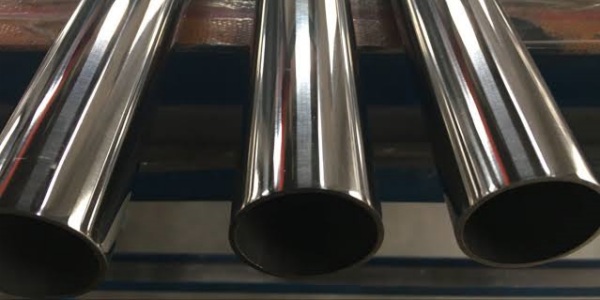
What Are the Mechanical Properties of Stainless Steel Pipe?
The mechanical properties of stainless steel pipe describe how the material behaves under loading and deformation.
The key properties include:
Yield strength / Rp0.2: The stress at which permanent deformation begins.
Tensile strength: The maximum stress the material can withstand before fracture.
Elongation: Indicates the material's ductility.
Hardness: Measures resistance to indentation and deformation.
HBW, HRB, HRC and HV: Different hardness measurement scales.
These values are particularly important when stainless steel pipe is used for pressure piping, heat exchangers, chemical processing equipment, structural components, and other demanding industrial systems.
Mechanical Properties of Frequently Used Stainless Steel Pipe
The following table consolidates the mechanical property data provided for frequently used stainless steel pipe grades under GB standards.
GB Stainless Steel Pipe Mechanical Properties
|
Standard
|
Steel Grade
|
Equivalent Grade
|
Rp0.2 Plastic Extension Strength (MPa), Min.
|
Tensile Strength (MPa), Min.
|
Elongation (%), Min.
|
HBW, Max.
|
HRB, Max.
|
HRC, Max.
|
HV, Max.
|
|
GB
|
S30408
|
06Cr19Ni10
|
205
|
515
|
40
|
201
|
92
|
—
|
210
|
|
GB
|
S30403
|
022Cr19Ni10
|
180
|
485
|
40
|
201
|
92
|
—
|
210
|
|
GB
|
S30409
|
07Cr19Ni10
|
205
|
515
|
40
|
201
|
92
|
—
|
210
|
|
GB
|
S31608
|
06Cr17Ni12Mo2
|
205
|
515
|
40
|
217
|
96
|
—
|
220
|
|
GB
|
S31603
|
022Cr17Ni12Mo2
|
180
|
485
|
40
|
217
|
96
|
—
|
220
|
|
GB
|
S31008
|
06Cr25Ni20
|
205
|
515
|
40
|
217
|
96
|
—
|
220
|
|
GB
|
S34778
|
06Cr18Ni11Nb
|
205
|
515
|
40
|
201
|
92
|
—
|
210
|
|
GB
|
S34779
|
07Cr18Ni11Nb
|
205
|
515
|
40
|
201
|
92
|
—
|
210
|
|
GB
|
S22053
|
022Cr23Ni5Mo3N
|
450
|
655
|
25
|
293
|
—
|
31
|
—
|
|
GB
|
S25073
|
022Cr25Ni7Mo4N
|
550
|
795
|
15
|
310
|
—
|
32
|
—
|
The data shows a significant difference between conventional austenitic stainless steel pipes and duplex grades. For example, S22053 and S25073 have substantially higher yield and tensile strength than the 304 and 316 series listed above.
ASTM Stainless Steel Pipe Mechanical Properties
The supplied ASTM data includes common grades such as 304, 304L, 304H, 316, 316L, 316H, 321, 347, 347H, 2205, and 2507.
|
Standard
|
Steel Grade
|
Yield Strength (ksi), Min.
|
Yield Strength (MPa), Min.
|
Tensile Strength (ksi), Min.
|
Tensile Strength (MPa), Min.
|
Elongation (%), Min.
|
HBW, Max.
|
HRB, Max.
|
HRC, Max.
|
|
ASTM
|
S30400 / 304
|
30
|
205
|
75
|
515
|
40
|
201
|
92
|
—
|
|
ASTM
|
S30403 / 304L
|
25
|
170
|
70
|
485
|
40
|
201
|
92
|
—
|
|
ASTM
|
S30409 / 304H
|
30
|
205
|
75
|
515
|
40
|
201
|
92
|
—
|
|
ASTM
|
S31600 / 316
|
30
|
205
|
75
|
515
|
40
|
217
|
95
|
—
|
|
ASTM
|
S31603 / 316L
|
25
|
170
|
70
|
485
|
40
|
217
|
95
|
—
|
|
ASTM
|
S31609 / 316H
|
30
|
205
|
75
|
515
|
40
|
217
|
95
|
—
|
|
ASTM
|
S31008 / 310S
|
30
|
205
|
75
|
515
|
40
|
217
|
95
|
—
|
|
ASTM
|
S34700 / 347
|
30
|
205
|
75
|
515
|
40
|
201
|
92
|
—
|
|
ASTM
|
S34709 / 347H
|
30
|
205
|
75
|
515
|
40
|
201
|
92
|
—
|
|
ASTM
|
S32205 / 2205
|
65
|
450
|
95
|
655
|
25
|
293
|
—
|
31
|
|
ASTM
|
S32750 / 2507
|
80
|
550
|
116
|
795
|
15
|
310
|
—
|
32
|
Stainless Steel Pipe Grade Comparison Table
Different national and international standards may use different designations for similar stainless steel pipe grades. The following comparison is based directly on the supplied grade comparison data.
|
Category
|
ASTM A959-04
|
GB/T 20878-2007
|
JIS G4303-1998 / JIS G4311-1991
|
EN 10088-1995 / EN 10090-1999
|
ГОСТ 5632-1972
|
|
Austenitic
|
S30400, 304
|
06Cr19Ni10
|
SUS304
|
X5CrNi18-10, 1.4301
|
08X18H10
|
|
Austenitic
|
S30403, 304L
|
022Cr19Ni10
|
SUS304L
|
X2CrNi18-9, 1.4307
|
03X18H11
|
|
Austenitic
|
S30409, 304H
|
07Cr19Ni10
|
SUH304H
|
X8CrNi18-10, 1.4948
|
—
|
|
Austenitic
|
S31600, 316
|
06Cr17Ni12Mo2
|
SUS316
|
X5CrNiMo17-12-2, 1.4401
|
08X17H13M2T
|
|
Austenitic
|
S31603, 316L
|
022Cr17Ni12Mo2
|
SUS316L
|
X2CrNiMo17-12-2, 1.4404
|
03X17H14M2
|
|
Austenitic
|
S31609, 316H
|
07Cr17Ni12Mo2
|
—
|
X6CrNiMo17-12-2, 1.4918
|
—
|
|
Austenitic
|
S31635, 316Ti
|
06Cr17Ni12Mo2Ti
|
SUS316Ti
|
X6CrNiMoTi17-12-2, 1.4571
|
08X17H13M3T
|
|
Austenitic
|
S20100, 201
|
12Cr17Mn6Ni5N
|
SUS201
|
X12CrMnNiN17-7-5, 1.4372
|
—
|
|
Austenitic
|
S31008, 310S
|
06Cr25Ni20
|
SUS310S
|
X8CrNi25-21, 1.4845
|
10X23H18
|
|
Austenitic
|
N08904, 904L
|
015Cr21Ni26Mo5Cu2
|
SUS890L
|
X1NiCrMoCu25-20-5, 1.4539
|
—
|
|
Austenitic
|
S31703, 317L
|
022Cr19Ni13Mo3
|
SUS317L
|
X2CrNiMo18-15-4, 1.4438
|
03X16H15M3
|
|
Austenitic
|
S32100, 321
|
06Cr18Ni11Ti
|
SUS321
|
X6CrNiTi18-10, 1.4541
|
08X18H10T
|
|
Austenitic
|
S32109, 321H
|
07Cr18Ni11Ti
|
SUS321H
|
X7CrNiTi18-10, 1.4940
|
12X18H11T
|
|
Duplex
|
S31800
|
022Cr22Ni5Mo3N
|
—
|
—
|
—
|
|
Duplex
|
S31803
|
022Cr22Ni5Mo3N
|
SUS329J3L
|
X2CrNiMoN22-5-3, 1.4462
|
—
|
|
Duplex
|
S32205, 2205
|
022Cr23Ni5Mo3N
|
—
|
—
|
—
|
|
Duplex
|
S32750, 2507
|
022Cr25Ni7Mo4N
|
—
|
X2CrNiMoN25-7-4, 1.4410
|
—
|
|
Ferritic
|
S40500, 405
|
06Cr13Al
|
SUS405
|
X6CrAl13, 1.4002
|
—
|
|
Ferritic
|
S44400, 444
|
019Cr19Mo2NbTi
|
SUS444
|
X2CrMoTi18-2, 1.4521
|
—
|
|
Ferritic
|
S41008, 410S
|
06Cr13
|
SUS410S
|
X6Cr13, 1.4000
|
08X13
|
Note: Grade equivalencies should be verified against the applicable product standard and purchasing specification before substitution. Similar designations do not automatically mean that products from different standards are fully interchangeable.
How to Select a Stainless Steel Pipe Grade?
For stainless steel pipe and tube procurement, we recommend evaluating the following factors together.
1. Required Mechanical Strength
If the project requires higher yield and tensile strength, duplex stainless steel pipe grades such as 2205 and 2507 may be considered based on the applicable specification.
2. Required Ductility
Elongation provides an indication of ductility. The grades in the supplied data show different minimum elongation requirements, so this value should be checked against the application requirements.
3. Hardness Requirements
Hardness limits can be important for fabrication, forming, machining, and service conditions. The applicable hardness scale may be HBW, HRB, HRC, or HV depending on the specification.
4. Applicable Standard
Always identify the required standard before ordering. The same general stainless steel pipe family can have different designations under ASTM, GB/T, JIS, and EN standards.
5. Product Application
Material selection should also consider the intended service, such as:
Heat exchanger tubes
Boiler tubes
Chemical processing piping
Petrochemical piping
Process equipment
Water treatment systems
Industrial fluid transportation
High-strength corrosion-resistant components
Stainless Steel Pipe Grades Supplied by Union Steel Industry
At Union Steel Industry, stainless steel pipe material selection is approached from both a technical and application perspective. We can provide stainless steel pipe according to specified grades, standards, dimensions, mechanical properties, and inspection requirements.
For engineering and procurement teams, providing the complete material specification at the quotation stage helps avoid grade mismatches and unnecessary project delays.
When requesting a stainless steel pipe or tube quotation, it is recommended to specify:
Steel grade
Applicable standard
Outside diameter
Wall thickness
Length
Quantity
Surface condition
Heat treatment requirements
Inspection and testing requirements
Required certification/documentation
FAQ
1. What are the main mechanical properties of stainless steel pipe?
Yield strength, tensile strength, elongation, and hardness.
2. Which listed grade has the highest strength?
S25073 / 2507 has the highest minimum strength in the supplied data.
3. What is the tensile strength of ASTM 316?
The supplied table specifies a minimum tensile strength of 515 MPa.
4. Is 2205 stronger than 316?
Yes. In the supplied data, ASTM S32205/2205 has 450 MPa minimum yield strength, compared with 205 MPa for 316.
5. Are ASTM, GB/T, JIS, and EN grades interchangeable?
Not automatically. Grade equivalency should be confirmed against the applicable standard and project specification.a

 English
 Español


 Tel : +86-18565811709
 Email :
 News
News