As sustainability becomes a core requirement in global construction projects, prefabricated steel buildings are increasingly recognized as a practical and scalable solution for reducing environmental impact while improving construction efficiency. These structures align well with modern green building goals by combining industrial precision, material efficiency, and long-term energy performance.
At Union Steel Industry, sustainability is integrated throughout the entire lifecycle of steel building projects—from design and manufacturing to delivery and on-site assembly.
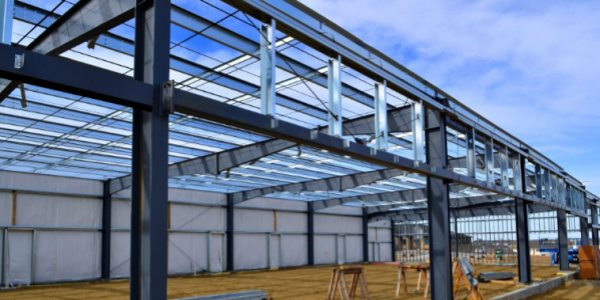
Why Prefabricated Steel Buildings Support Sustainable Construction
Prefabricated steel buildings offer clear environmental advantages over traditional cast-in-place construction. Their sustainability is driven by off-site manufacturing, optimized material usage, and controlled production processes.
Union Steel Industry manufactures all major building components in modern production facilities, where precise fabrication minimizes errors and waste. Once completed, components are transported to site for fast and efficient assembly, significantly reducing construction time and on-site environmental disturbance.
Lower Emissions Through Off-Site Fabrication
Off-site prefabrication reduces the need for prolonged on-site machinery operation, temporary formwork, and repeated material handling. This approach helps:
Decrease fuel consumption and construction-related emissions
Reduce noise and dust pollution at project sites
Improve overall construction safety and efficiency
By shortening on-site construction cycles, prefabricated steel buildings contribute to a lower overall carbon footprint.
Recyclable Steel and Circular Economy Compatibility
Structural steel is one of the most sustainable construction materials available. It is 100% recyclable without loss of mechanical performance, allowing steel buildings to support circular economy principles.
Steel components can be reused, repurposed, or recycled at the end of a building’s service life, reducing reliance on virgin raw materials and minimizing landfill waste.
Waste Reduction Through Precision Manufacturing
Factory-controlled production enables accurate material planning and cutting, which significantly limits excess material generation. Compared with traditional construction, prefabricated steel buildings produce:
Less construction waste
Fewer rejected or damaged components
More consistent quality across all building elements
This controlled approach helps optimize resource efficiency throughout the project.
Energy Efficiency in Building Operation
Modern prefabricated steel buildings are engineered to support energy-efficient operation. Integrated insulation systems, optimized building envelopes, and compatibility with renewable energy solutions help reduce long-term energy consumption.
Union Steel Industry designs steel building systems that meet or exceed energy performance expectations for industrial, commercial, and logistics facilities.
Conclusion
Sustainable steel buildings represent a practical path forward for green construction in an increasingly resource-conscious world. By combining prefabrication, recyclable materials, waste reduction, and energy-efficient design, prefabricated steel buildings deliver both environmental and economic value. With integrated sustainability practices, Union Steel Industry continues to support construction projects that prioritize performance, efficiency, and environmental responsibility.
FAQ:
Q1: Are steel buildings considered environmentally friendly over their full lifecycle?
Yes, steel buildings offer strong environmental performance from production through reuse and recycling.
Q2: Can prefabricated steel buildings help meet green building requirements?
Prefabricated steel systems can support green building certifications through efficient material use and energy performance.
Q3: Does prefabrication reduce construction time?
Yes, off-site fabrication significantly shortens on-site construction schedules.
Q4: Can steel buildings be upgraded for future energy needs?
Steel structures allow easy integration of insulation upgrades and renewable energy systems.
Q5: Are prefabricated steel buildings suitable for large-scale industrial projects?
Yes, they are widely used for warehouses, factories, logistics centers, and commercial facilities.

 English
 Español


 Tel : +86-18565811709
 Email :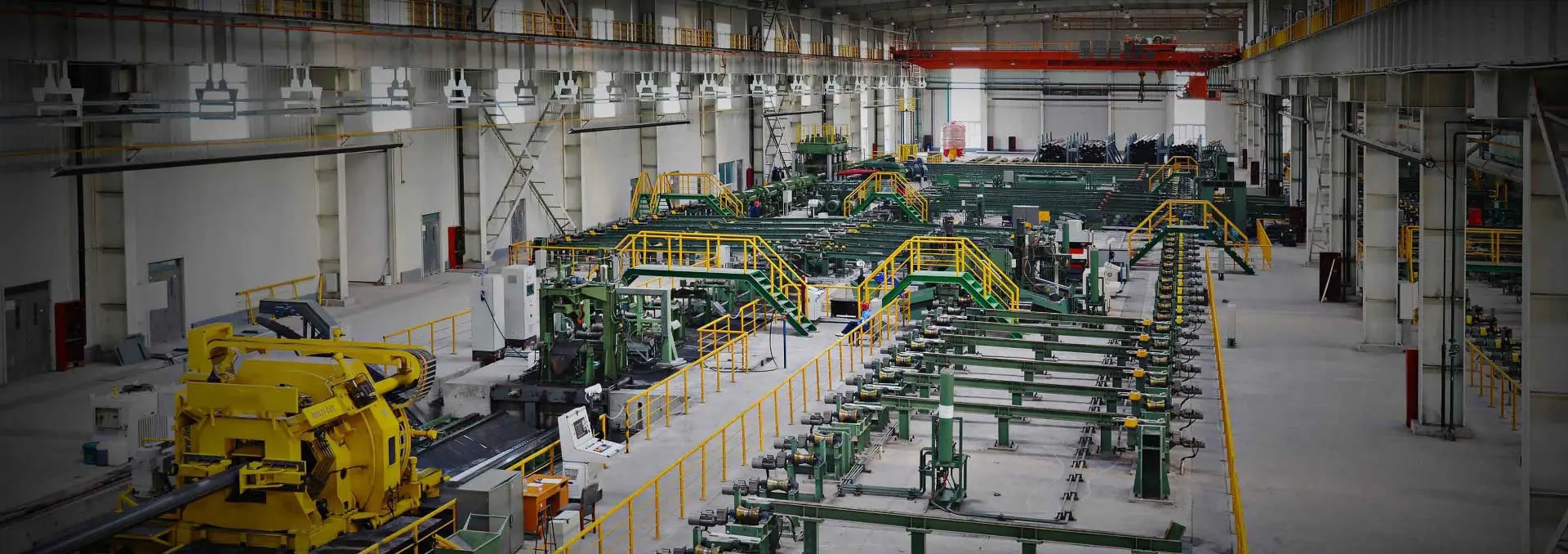
 News
News