A steel pipe purchase order (PO) is the document that turns a buyer's technical and commercial requirements into a clear supply instruction. It should do more than state the pipe price and delivery date. Missing information about the grade, dimensions, testing, documentation, or packing can result in incorrect products, additional costs, or delays during inspection and delivery.
A well-prepared steel pipe purchase order should clearly define the product, material standard, dimensions, quantity, quality requirements, documentation, and delivery terms before production begins. The following guide explains the key information buyers should include in a steel pipe PO.
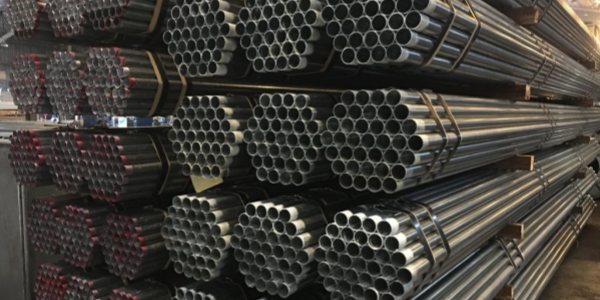
Steel Pipe Purchase Order Checklist
Before preparing the detailed PO, buyers can use the following checklist to confirm the main requirements:
|
Information
|
What to Specify
|
|
Pipe Type
|
Seamless, ERW, LSAW, SSAW, etc.
|
|
Material / Grade
|
Carbon steel, stainless steel, specific grade
|
|
Standard
|
ASTM, API, ASME, EN, ISO, etc.
|
|
Size
|
OD, NPS, or nominal size
|
|
Wall Thickness
|
Actual thickness or Schedule
|
|
Length
|
Fixed or random length
|
|
Quantity
|
Pieces, meters, or tons
|
|
End Type
|
Plain, beveled, threaded, etc.
|
|
Surface / Coating
|
Bare, galvanized, FBE, 3LPE, etc.
|
|
Inspection
|
Testing and inspection requirements
|
|
Documents
|
MTC, inspection reports, test certificates
|
|
Packing & Marking
|
Packing, identification, and shipping marks
|
|
Delivery
|
Destination and required delivery schedule
|
|
Payment
|
Currency and agreed payment terms
|
Project-specific requirements can be added to this basic framework, but these items cover the information most commonly needed in a steel pipe PO.
1. Specify the Pipe Type and Material Grade
The first step is to clearly identify what type of pipe is being purchased and what material it should be made from.
The PO should state whether the pipe is:
Seamless
ERW
LSAW
SSAW
Other specified welded pipe
It should also identify the material category and exact grade, such as carbon steel, stainless steel, or alloy steel.
For example:
ASTM A106 Grade B seamless carbon steel pipe
is much more precise than:
Carbon steel pipe
The second description does not define the applicable grade, manufacturing process, or product standard and therefore leaves too much room for interpretation.
2. State the Applicable Standard and Specification
Every steel pipe PO should identify the applicable product standard.
Common standards include:
ASTM
ASME
API
EN
ISO
Other project-specific standards
The PO should provide the standard number, material grade, and any additional specification required by the project.
For example, simply writing "ASTM carbon steel pipe" is insufficient if the project requires a specific grade such as ASTM A106 Grade B.
Additional requirements from an engineering specification, client standard, or national code should also be referenced when applicable.
3. Define Pipe Size and Wall Thickness
Pipe dimensions should be stated explicitly rather than left to assumptions.
Depending on the project, size may be specified using:
NPS
Outside Diameter (OD)
Nominal size
Wall thickness can be given as an actual thickness or Schedule.
Typical descriptions include:
NPS 4 × SCH 40
or
OD 114.3 mm × WT 6.02 mm
For international orders, it is especially important to make sure that metric and imperial dimensions are not being interpreted differently.
4. Specify Length and Quantity
The PO should clearly state both pipe length and quantity.
The buyer should identify whether the pipes are supplied as:
Fixed length
Random length
Mixed fixed/random length
Quantity should also have a clear unit, such as:
Pieces
Meters
Tons
For example:
500 pcs × 6 m
or
20 tons, random length
A quantity stated only in tons may not provide the expected number of pipes because the final piece count depends on pipe dimensions and length.
5. Define Pipe Ends and Surface Condition
The pipe-end configuration should be included in the purchase order.
Common options include:
Plain end
Beveled end
Threaded end
Threaded and coupled
The PO should also state any specific surface requirements.
For stainless steel pipe, for example, the buyer may require:
Pickling
Passivation
Specific surface finish
These requirements are best confirmed before production so the supplier can incorporate them into the manufacturing and finishing process.
6. Include Coating Requirements
For coated steel pipe, the PO should specify the required coating system.
Common options include:
Bare / black surface
Galvanized coating
FBE
3LPE
Other project-specific coating systems
Where applicable, the PO should identify:
Coating type
Applicable coating standard
Coating thickness
Inspection requirements
Special coating or handling requirements
If coating parameters have not yet been finalized, they should be clearly identified as pending rather than simply omitted from the PO.
7. Define Inspection and Testing Requirements
Inspection requirements should be agreed before production begins.
Depending on the pipe specification and project requirements, the PO may include:
Visual inspection
Dimensional inspection
Chemical composition analysis
Tensile and yield testing
Hydrostatic testing
Non-destructive testing (NDT)
Third-party inspection
If a specific inspection method or third-party agency is required, it should be clearly stated in the purchase order.
Adding inspection requirements after production has started can create additional testing, rework, scheduling, or delivery issues.
8. List Required Quality Documents
The steel pipe PO should clearly identify which documents must be supplied with the shipment.
Common documentation includes:
Mill Test Certificate (MTC)
Chemical analysis report
Mechanical test report
Hydrostatic test report
NDT report
Inspection report
Certificate of Conformity (CoC)
Packing list
Commercial invoice
The MTC is particularly important because it provides material and test information that can be used to verify the supplied pipe against the purchase requirements.
If the buyer requires a specific certificate format, inspection document, or third-party report, this should be stated in the PO.
9. Specify Packing and Marking
Packing requirements are important for protecting pipes during transportation and ensuring easy identification after delivery.
The PO can specify:
Packing
Bundling method
End protection
Pipe caps
Protective materials
Special loading requirements
Marking
Pipe grade
Size
Heat number
Standard
Quantity
Bundle identification
Shipping marks
Clear marking becomes particularly important when an order contains multiple pipe sizes, grades, or specifications.
10. Define Delivery and Payment Terms
Commercial terms should also be clearly included in the steel pipe PO.
Delivery Requirements
Specify:
Delivery destination
Required delivery date
Shipment schedule
Loading requirements
Partial shipment requirements, if applicable
Payment Requirements
The PO should also identify:
Payment currency
Payment method
Advance payment, if applicable
Balance payment conditions
Other agreed commercial terms
Clear commercial terms help avoid misunderstandings during order confirmation, shipment, and settlement.
Common Steel Pipe PO Mistakes
Several omissions can create avoidable problems during steel pipe procurement.
Vague Material Description
"Carbon steel pipe" does not identify the exact grade or standard.
Missing Wall Thickness
A nominal pipe size alone may not define the required wall thickness.
Unclear Quantity Unit
Tons, meters, and pieces represent different purchasing quantities and should not be used interchangeably.
Missing Inspection Requirements
Testing requirements should be agreed before manufacturing rather than after the pipe has been completed.
Incomplete Documentation Requirements
If the buyer needs MTCs, third-party inspection reports, or specific certificates, these requirements should appear in the PO.
Unclear Coating Requirements
For coated pipe, the coating system and applicable requirements should be identified before production.
Final Takeaway
A complete steel pipe purchase order should establish the technical and commercial requirements before the supplier begins production. At a minimum, buyers should clearly define the pipe type, material grade, standard, dimensions, wall thickness, length, quantity, pipe ends, coating, inspection, documentation, packing, delivery, and payment terms.
The more precise the steel pipe order requirement, the less room there is for interpretation between buyer and supplier. A well-structured steel pipe PO therefore serves not only as a commercial document, but also as an important reference for manufacturing, inspection, quality acceptance, and final delivery.
FAQ
1. What should a steel pipe PO include?
It should include the pipe type, grade, standard, dimensions, quantity, inspection, documents, packing, and delivery requirements.
2. Why is the steel pipe standard important?
It defines the technical requirements the supplied pipe must meet.
3. Should wall thickness be included in the PO?
Yes. Specify the actual wall thickness or Schedule together with the pipe size.
4. What documents should buyers request?
Common documents include the MTC, inspection reports, test reports, and Certificate of Conformity.
5. When should inspection requirements be confirmed?
Inspection and testing requirements should be agreed before production starts.

 English
 Español


 Tel : +86-18565811709
 Email :
 News
News