-
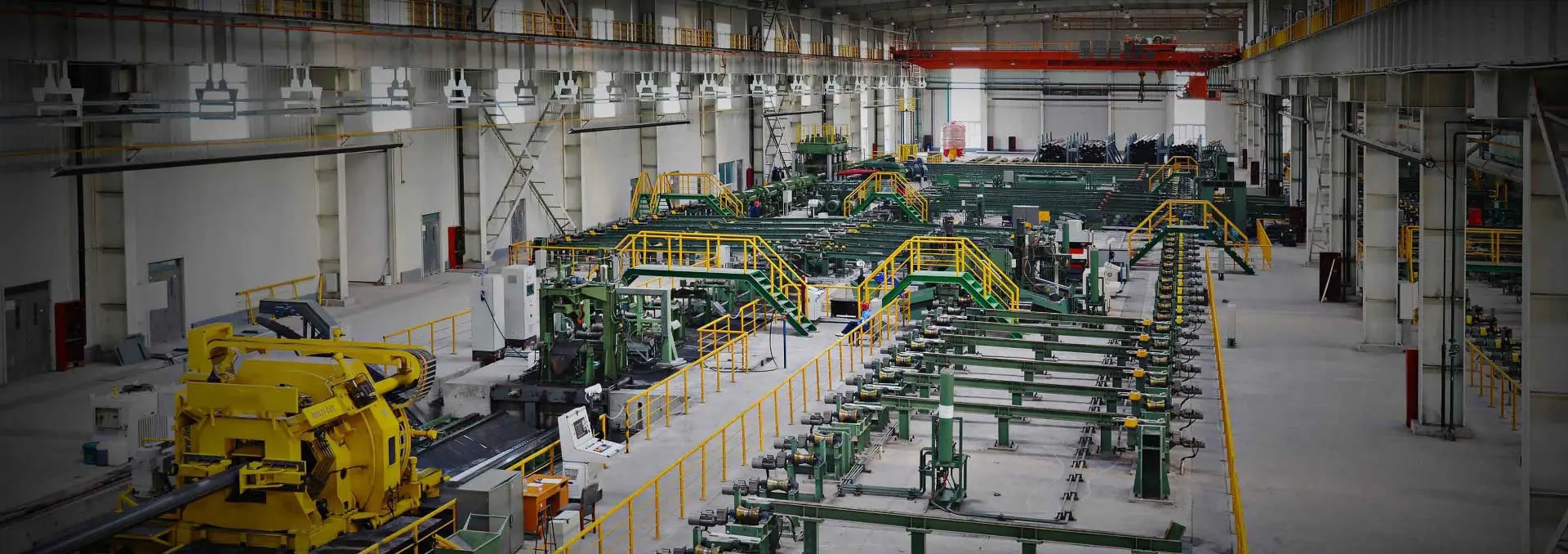
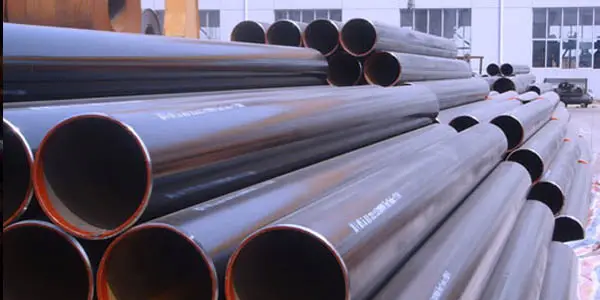
Multi-wire submerged arc welding technology for LSAW pipes
As the core process of straight seam steel pipe production is welding, especially for high quality oil and gas steel pipe, the quality requirement is high and the welding quantity is large, so it is required to improve the welding efficiency as much as possible while ensuring the excellent welding quality. The straight straight seam steel pipe weld length is large (usually a single length of about 12m) and the weld is in a horizontal position, thus giving rise to the application and development of multi-wire submerged arc welding.
Read More
-
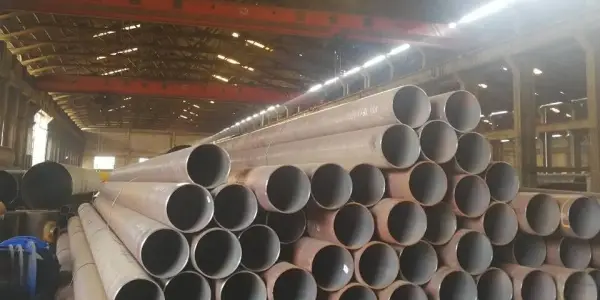
LSAW Pipe vs SSAW Pipe
1. Advantages of LSAW steel pipe:
(1) LSAW steel pipe manufacturing using the tube expansion process residual stress is close to zero without the "Bauschinger" effect.
SSAW steel pipe due to the existence of molding stress in the manufacturing, resulting in the occurrence of the "Bauschinger" effect, it is necessary to use the steel to improve the production of a strength level, for example, with the X07 steel to produce X56 welded pipe. In addition, the existence of welding stress will lead to pipeline stress corrosion. China's more than 8000 kilometers of SSAW in the use of twenty years, due to the occurrence of stress corrosion and the destruction of the accident up to l ~ 2 times / year.
Read More
-
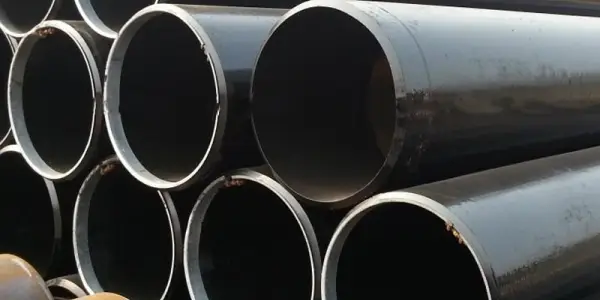
How are steel pipes categorized according to production methods and materials?
With the development of modern industry and the degree of automation, industrial quality inspection and control requirements are increasingly high, steel pipe is the most common products in industrial inspection.
Read More
-
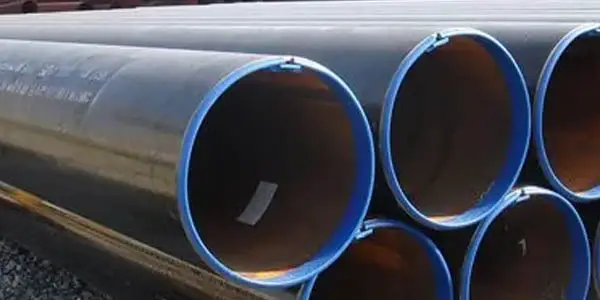
Differences between ERW and EFW
ERW is the first letter of the abbreviation for Electric resistance welding.
EFW that is, Electric fusion welding Electric fusion welding of the first letter of the acronym
Read More
-
Duplex Stainless Steel vs Austenitic Stainless Steel
There are two main types of stainless steel: duplex stainless steel and austenitic stainless steel. But what are the differences between austenitic and duplex stainless steel? We will explain the differences between these two categories of stainless steel from three aspects in this passage.
Read More
-
Duplex Stainless Steel Grades
Duplex stainless steel(DSS) has a higher chromium content of 20–28%; higher molybdenum up to 5%, lower nickel up to 9%, and 0.05–0.50% nitrogen in compare with austenitic stainless steel. Duplex stainless steel material is an ideal selection in the aspect of resistance against pitting corrosion. The resistance against pitting corrosion is characterized by the pitting resistance equivalence number, or PREN Number defined as follows:
Read More
-
Anti-corrosion Technology of Seamless Steel Pipe
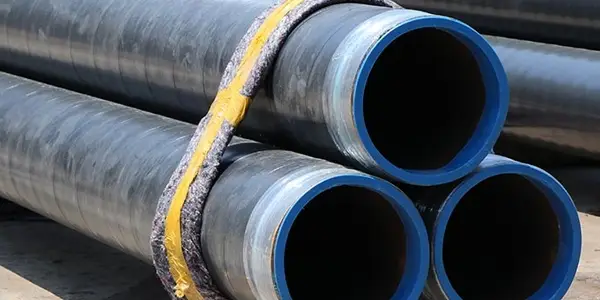
The anti-corrosion technology of seamless steel pipes is crucial to protect the pipes from corrosion and extend their service life, especially when they are exposed to corrosive environments. There are several common anti-corrosion technologies used for seamless steel pipes.
Read More
-
CS Seamless Pipe Cold Treatment Process
In the production of carbon steel (CS) seamless pipes, the cold treatment process is usually used to improve the strength and hardness of the material. The following is the general CS seamless pipe cold treatment process.
Read More
-
Heat Treatment of LSAW Steel Pipe
Longitudinal Submerged Arc Welded (LSAW) steel pipes are commonly used in various industrial applications, and heat treatment can be an important step in their manufacturing process to enhance their mechanical properties and ensure proper performance. Heat treatment processes for LSAW steel pipes typically involve procedures like normalization, stress relieving, and quenching and tempering. This article is a general overview of these heat treatment processes.
Read More
-
ASTM A53 Grade B ERW Steel Pipe
ASTM A53 Grade B is a standard specification developed by ASTM (American Society for Testing and Materials) for black and hot-dipped, zinc-coated, welded and seamless steel pipe. ASTM A53 Grade B ERW (Electric Resistance Welded) steel pipe is commonly used for transporting water, gas, and oil in various industries. Here are some key features and specifications of ASTM A53 Grade B ERW steel pipe.
Read More

 English
 Español


 Tel : +86-18565811709
 Email :