-
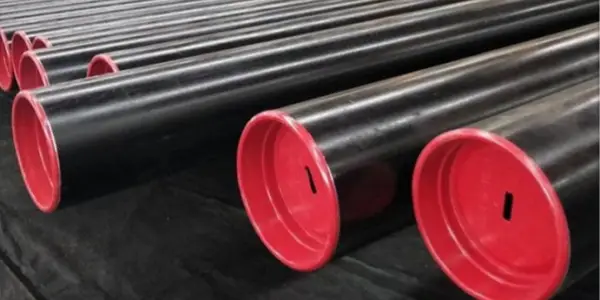
Non Destructive Testing of LSAW Steel Pipe
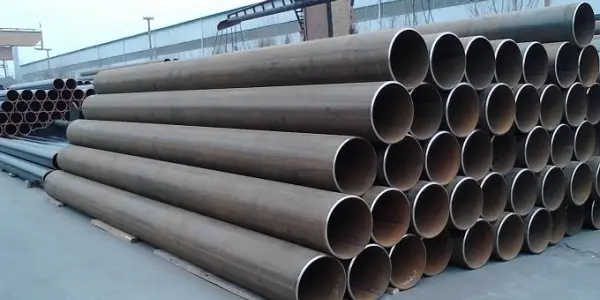
Non-destructive testing (NDT) is crucial for ensuring the quality and integrity of Longitudinally Submerged Arc Welded (LSAW) steel pipes. Various NDT methods are employed to detect and evaluate defects without causing any harm to the material being tested. Here are some common non-destructive testing methods used for LSAW steel pipes.
Read More
-
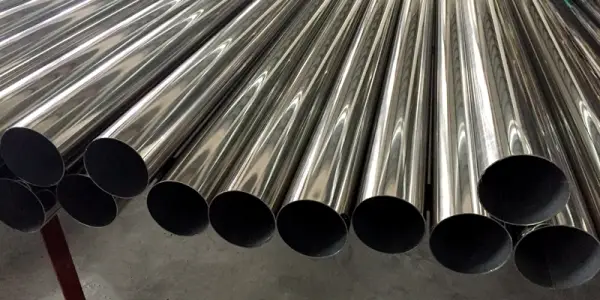
How To Prevent Gap Corrosion of Stainless Steel Pipe?
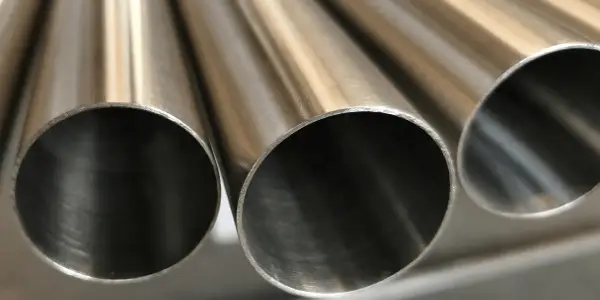
Due to the gaps in the equipment and component structures or the presence of metal or non-metallic deposits on the surface of stainless steel pipes, gaps are formed between the deposits and the surface of the stainless steel pipes. Under the action of corrosive media, punctate and ulcerative damage will appear before the crevice, which is crevice corrosion. In the presence of water media such as Cl-, due to the acidification of the medium solution in the gap (increased Cl- concentration, decreased pH value) and lack of oxygen (oxygen concentration difference battery, lack of oxygen in the gap).
Read More
-
Annealing Process of Stainless Seamless Steel Pipe
The annealing process of stainless steel seamless steel pipes is a heat treatment process designed to improve the mechanical properties, grain structure and corrosion resistance of the steel pipes. Annealing relieves stress, increases the steel's workability, and improves the balance of hardness, strength, and toughness. This article will introduce in detail the annealing process of stainless steel seamless steel pipes.
Read More
-
ASTM A312 Steel Pipe Size Tolerance
ASTM A312 is a standard specification for seamless, welded, and heavily cold worked austenitic stainless steel pipes used in high-temperature and general corrosive service. This specification covers a wide range of pipe sizes and dimensions, and it includes specific size tolerances to ensure the pipes meet the required standards. The size tolerances for ASTM A312 steel pipes are typically outlined as follows.
Read More
-
ASTM A333 Grade 8 Low Temperature Steel Pipe
ASTM A333 Grade 8 steel pipes are designed for seamless and welded applications in low-temperature service and other scenarios where specified notch toughness is necessary. These pipes can be manufactured through seamless or welding methods, without the use of filler metal during the welding process. Read on to learn more about ASTM A333 Grade 8 low temperature steel pipe.
Read More
-
ASTM Standards For Steel Pipes
ASTM (American Society for Testing and Materials) sets numerous standards for steel pipe and tubing to ensure their quality, performance and serviceability. ASTM standards help classify, evaluate, and specify the material, chemical, mechanical, and metallurgical properties of different types of steel used primarily in the production of mechanical components, industrial parts, and construction components, as well as other accessories related thereto. Today, we will introduce some common ASTM steel pipe standards.
Read More
-
ASTM A210 ASME SA210 Seamless Carbon Steel Pipe
ASTM A210 and ASME SA210 are two standards for seamless carbon steel pipes used in high-temperature applications, particularly in the manufacturing of boilers and heat exchangers. In this passage, Union Steel Industry will talk about ASTM A210 ASME SA210 seamless carbon steel pipe.
Read More
-
ASTM A192 Seamless Carbon Steel Pipes
ASTM A192 Seamless Carbon Steel Pipe is a low carbon steel pipe that is easy to form and low cost. ASTM A192 seamless carbon steel pipes are commonly used in the construction of boilers and superheaters for high-temperature service in various industries, including power generation, chemical processing, and more. In this article, Union Steel Industry will introduce ASTM A192 seamless carbon steel pipes in detail.
Read More
-
JIS G 4105 SCM420 Seamless Steel Pipes
SCM420 is categorized under the JIS G 4105 standard. The JIS G 4105-compliant SCM420 seamless steel pipe is renowned for its exceptional hardenability and resistance to temper brittleness. It boasts outstanding welding capabilities, minimal susceptibility to cold crack formation, and the ability to deliver excellent processing and cold plastic deformation characteristics. This steel variant finds its primary application in the realm of mechanical structural steel during hot forming processes, which encompass hot rolling and forging. Typically, it undergoes additional treatments such as forging, cutting, and heat treatment to fulfill its intended purpose. Read on to learn more about JIS G 4105 SCM420 seamless steel pipes.
Read More
-
API 5L Seamless Carbon Steel Pipe Purchase Points
API 5L is a widely recognized standard for steel pipes used in the transportation of oil and gas. When purchasing API 5L seamless carbon steel pipes, it's important to consider several key points to ensure that you acquire the right products for your intended application. Here are some essential points when purchasing API 5L seamless carbon steel pipe.
Read More

 English
 Español


 Tel : +86-18565811709
 Email :