-
Precautions For Using American Standard Oil Casing
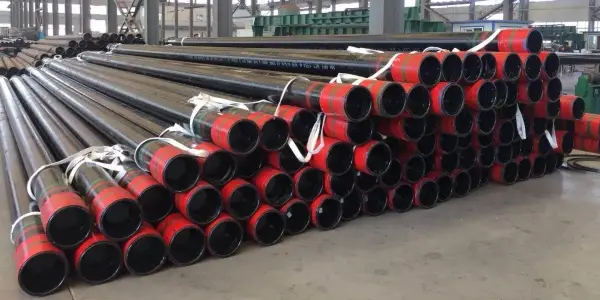
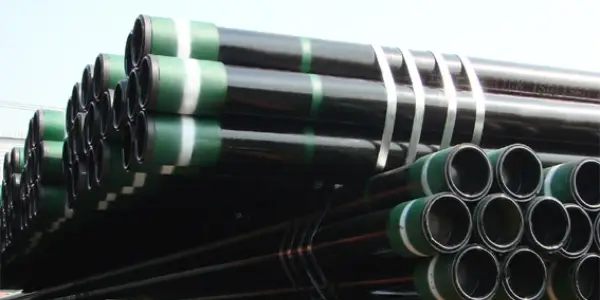
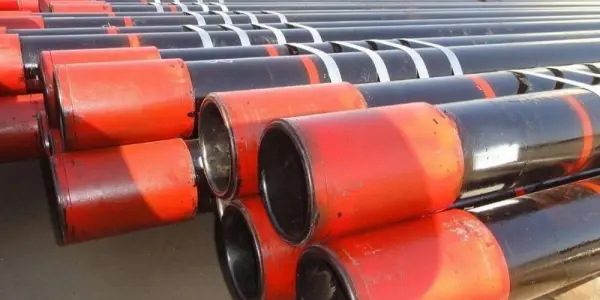
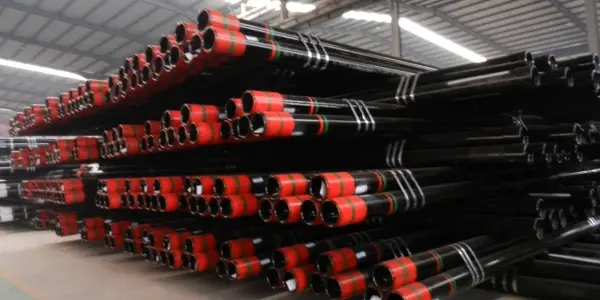
American Standard oil casing is widely used in the oil production process to maintain drilling, avoid contamination of shallow gas layers, support wellhead devices, and bond the weight of other layers of casing. With the vigorous development of the petroleum industry, direct buried pipelines, American standard oil casings, and tank bottoms in oil fields are severely corroded, especially American standard oil casings, which seriously affects the production, development, design, and surrounding environment of oil fields. Next, we will introduce some precautions for the use of American standard oil casing.
Read More
-
Oil Casing Technical Standards
Different types of casing are often used in oil production. In this article, we will introduce the technical standards of oil casing in detail.
Read More
-
Causes Of Oil Casing Damage
During the production process of oil and gas wells, oil casing damage often occurs, which greatly affects the service life of oil casing. Next, Union Steel will introduce you to the causes of oil casing damage in detail.
Read More
-
What Is Anti-Corrosion SSAW Steel Pipe?
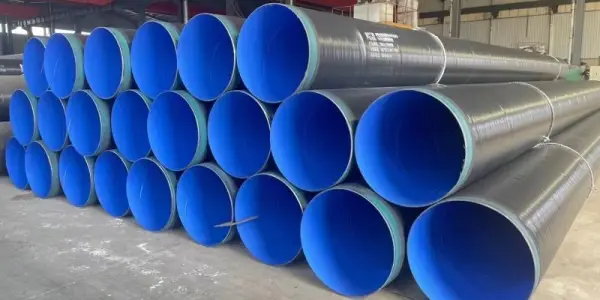
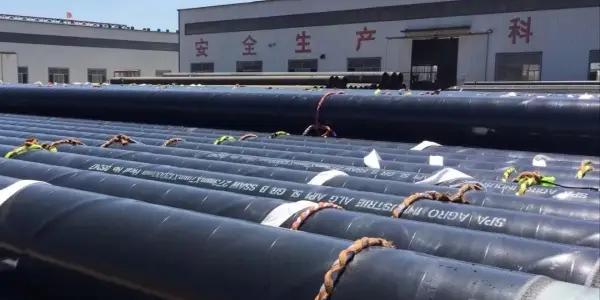
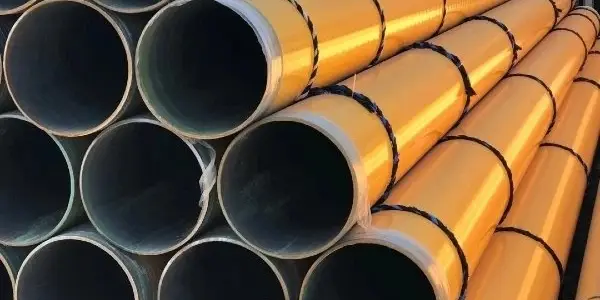
Anti-corrosion steel pipes use anti-corrosion treatment to prevent or slow down corrosion during chemical or electrochemical reactions during transportation and use. Anti-corrosion steel pipes are divided into the following categories: galvanized anti-corrosion, FBE anti-corrosion, 2PE/3PE anti-corrosion, epoxy anti-corrosion, and concrete anti-corrosion. Today, Union Steel will introduce in detail what anti-corrosion SSAW steel pipe is.
Read More
-
Why Are Anti-Corrosion Steel Pipes Mostly Spiral Steel Pipes?
In recent years, anti-corrosion steel pipes have begun to be widely used in the construction of water, natural gas and thermal pipelines. Anti-corrosion steel pipes usually use spiral steel pipes. What is the reason? Let’s explore it in this article.
Read More
-
Oil Well Pipe Quality Defects And Prevention
Oil well pipes are widely used in the oil and gas industry, and quality defects can have a serious impact on project completion. Today, we will discuss oil well pipe quality defects and prevention in detail.
Read More
-
Oil Casing Pipe Manufacturing Process - Union Steel Industry Co.,Ltd
Oil casing pipe is used to line the hole, occurring periodically throughout the drilling process starting with the surface casing, intermediate casing, and ending with production string which takes place during well completion. In this article, Union Steel Industry will introduce production process of oil casing pipe in detail.
Read More
-
How To Remove Burrs From Oil Casing?
Burrs are a common problem in metal processing. No matter how advanced and sophisticated equipment is used, burrs will be born along with the product. Mainly due to plastic deformation of the material, excess iron filings (burrs) are produced on the edge of the material to be processed, especially materials with good ductility or toughness. So how to remove the burrs of oil casing? Read on to learn more.
Read More
-
Regulations For Oil And Casing Hydrostatic Testing
Similar to radiographic and ultrasonic flaw detection processes, hydrostatic pressure testing is an important means to check the overall quality of steel pipes during the steel pipe manufacturing process. Its function is to detect the anti-leakage function of steel pipes under standard test pressure and steady-state voltage. So what are the regulations for the hydrostatic pressure test of oil casing? In this article, Union Steel will give you a brief introduction.
Read More
-
Rust Treatment Of Carbon Steel Pipe
The main components of carbon steel pipes are carbon and iron, and iron will undergo an oxidation reaction under the action of oxygen and water to form iron oxide, which will cause rust. If carbon steel pipes do not take appropriate protective measures during transportation, storage and use, they are easily corroded and eroded by air, water, oxides and other pollutants, leading to rust. This article will talk about how to treat carbon steel pipe rust.
Read More

 English
 Español


 Tel : +86-18565811709
 Email :