Mechanical properties are among the most important factors when selecting seamless steel pipes for boilers, heat exchangers, refineries, petrochemical plants, and high-pressure piping systems.
Different operating conditions require different combinations of tensile strength, yield strength, elongation, impact resistance, and hardness. Understanding these requirements helps engineers and procurement professionals select the appropriate material grade for specific applications.
At Union Steel Industry, seamless steel pipes are supplied according to international standards including ASTM, ASME, DIN, and GB, covering carbon steel, alloy steel, and high-temperature service grades for demanding industrial environments.
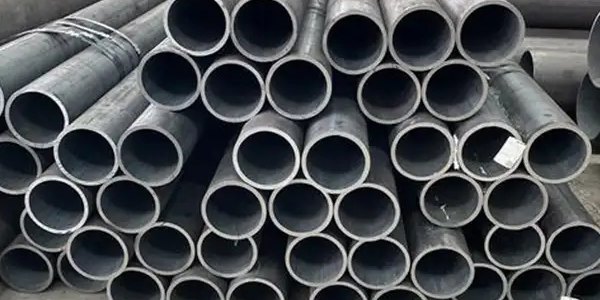
What Are the Key Mechanical Properties of Seamless Steel Pipes?
The performance of a seamless steel pipe is typically evaluated using five major mechanical indicators:
Tensile Strength
Tensile strength measures the maximum stress a material can withstand before fracture.
Higher tensile strength generally provides:
Better pressure resistance
Improved structural integrity
Enhanced high-temperature performance
Yield Strength
Yield strength indicates the stress level at which permanent deformation begins.
For pressure piping systems, adequate yield strength helps prevent distortion under operating loads.
Elongation
Elongation reflects the material's ductility and ability to deform before failure.
Higher elongation provides:
Better forming performance
Improved weldability
Greater resistance to cracking
Impact Toughness
Impact toughness evaluates a material's ability to absorb energy under sudden loading conditions.
This property is particularly important for:
Low-temperature service
Thermal cycling environments
Critical pressure systems
Hardness
Hardness measures resistance to indentation and wear.
Controlled hardness levels help maintain machinability while ensuring adequate strength.
Mechanical Properties of Carbon Steel Boiler Tubes
|
Standard
|
Grade
|
Tensile Strength (MPa)
|
Yield Strength (MPa)
|
Elongation (%)
|
Impact (J)
|
Hardness
|
|
GB/T 3087
|
10
|
335-475
|
≥205
|
≥24
|
—
|
—
|
|
GB/T 3087
|
20
|
410-550
|
≥245
|
≥20
|
—
|
—
|
|
DIN 17175
|
St35.8
|
360-480
|
≥235
|
≥25
|
—
|
—
|
|
DIN 17175
|
St45.8
|
410-530
|
≥255
|
≥21
|
—
|
—
|
|
DIN 17175
|
15Mo3
|
450-600
|
≥270
|
≥22
|
—
|
—
|
|
DIN 17175
|
13CrMo44
|
440-590
|
≥290
|
≥22
|
—
|
—
|
|
DIN 17175
|
10CrMo910
|
450-600
|
≥280
|
≥20
|
—
|
—
|
|
DIN 17175
|
14MoV63
|
460-610
|
≥320
|
≥20
|
≥55
|
—
|
|
DIN 17175
|
12Cr1MoV
|
470-640
|
≥255
|
≥21
|
≥41
|
—
|
|
GB/T 9948
|
12CrMo
|
410-560
|
≥205
|
≥21
|
≥40
|
≤156HBW
|
|
GB/T 9948
|
15CrMo
|
440-640
|
≥295
|
≥21
|
≥40
|
≤170HBW
|
|
GB/T 9948
|
12Cr1Mo
|
415-560
|
≥205
|
≥22
|
≥40
|
≤163HBW
|
|
GB/T 9948
|
12Cr1MoV
|
470-640
|
≥255
|
≥21
|
≥40
|
≤179HBW
|
|
GB/T 9948
|
12Cr2Mo
|
450-600
|
≥280
|
≥22
|
≥40
|
≤163HBW
|
|
GB/T 9948
|
12Cr5MoI
|
415-590
|
≥205
|
≥22
|
≥40
|
≤163HBW
|
|
GB/T 9948
|
12Cr9MoI
|
460-640
|
≥210
|
≥20
|
≥40
|
≤179HBW
|
|
GB/T 9948
|
12Cr9MoNT
|
590-740
|
≥390
|
≥18
|
≥40
|
—
|
|
GB/T 6479
|
Q345B/C/D/E
|
490-670
|
≥345
|
≥21
|
≥40
|
—
|
|
GB/T 5310
|
20G
|
410-550
|
≥245
|
≥24
|
≥40
|
120-160HBW
|
|
GB/T 5310
|
25MnG
|
485-640
|
≥275
|
≥20
|
≥40
|
130-180HBW
|
|
GB/T 5310
|
15MoG
|
450-600
|
≥270
|
≥22
|
≥40
|
125-180HBW
|
|
GB/T 5310
|
20MoG
|
415-665
|
≥220
|
≥22
|
≥40
|
125-180HBW
|
|
GB/T 5310
|
15CrMoG
|
440-640
|
≥295
|
≥21
|
≥40
|
125-170HBW
|
|
GB/T 5310
|
12Cr2MoG
|
450-600
|
≥280
|
≥22
|
≥40
|
125-180HBW
|
|
GB/T 5310
|
12Cr1MoVG
|
470-640
|
≥255
|
≥21
|
≥40
|
135-195HBW
|
|
GB/T 5310
|
12Cr2MoWVTiB
|
540-730
|
≥345
|
≥18
|
≥40
|
160-220HBW
|
|
GB/T 5310
|
10Cr9Mo1VNbN
|
≥585
|
≥415
|
≥20
|
≥40
|
185-250HBW
|
|
GB/T 5310
|
10Cr9MoW2VNbBN
|
≥620
|
≥440
|
≥20
|
≥40
|
185-250HBW
|
|
ASME SA-192M
|
SA-192
|
≥325
|
≥180
|
≥35
|
—
|
—
|
|
ASTM A106M
|
Grade B
|
≥415
|
≥240
|
—
|
—
|
—
|
|
ASTM A106M
|
Grade C
|
≥485
|
≥275
|
—
|
—
|
—
|
|
ASME SA-210M
|
A1
|
≥415
|
≥255
|
—
|
—
|
≤79HRB
|
|
ASME SA-210M
|
C
|
≥485
|
≥275
|
—
|
—
|
≤89HRB
|
|
ASME SA-209M
|
T1
|
≥380
|
≥205
|
—
|
—
|
≤80HRB
|
|
ASME SA-209M
|
T1b
|
≥365
|
≥195
|
—
|
—
|
≤77HRB
|
|
ASME SA-209M
|
T1a
|
≥415
|
≥220
|
—
|
—
|
≤81HRB
|
|
ASME SA-213M
|
T2
|
≥415
|
≥205
|
—
|
—
|
≤85HRB
|
|
ASME SA-213M
|
T5
|
≥415
|
≥205
|
—
|
—
|
≤85HRB
|
|
ASME SA-213M
|
T9
|
≥415
|
≥205
|
—
|
—
|
≤85HRB
|
|
ASME SA-213M
|
T11
|
≥415
|
≥205
|
—
|
—
|
≤85HRB
|
|
ASME SA-213M
|
T22
|
≥415
|
≥205
|
—
|
—
|
≤85HRB
|
|
ASME SA-213M
|
T23
|
≥510
|
≥400
|
—
|
—
|
≤97HRB
|
|
ASME SA-213M
|
T24
|
≥585
|
≥415
|
—
|
—
|
≤25HRC
|
|
ASME SA-213M
|
T91
|
≥585
|
≥415
|
—
|
—
|
≤25HRC
|
|
ASME SA-213M
|
T92
|
≥620
|
≥440
|
—
|
—
|
≤25HRC
|
|
ASME SA-335M
|
P2
|
≥380
|
≥205
|
—
|
—
|
—
|
|
ASME SA-335M
|
P5
|
≥415
|
≥205
|
—
|
—
|
—
|
|
ASME SA-335M
|
P9
|
≥415
|
≥205
|
—
|
—
|
—
|
|
ASME SA-335M
|
P11
|
≥415
|
≥205
|
—
|
—
|
—
|
|
ASME SA-335M
|
P22
|
≥415
|
≥205
|
—
|
—
|
—
|
|
ASME SA-335M
|
P23
|
≥510
|
≥400
|
—
|
—
|
—
|
|
ASME SA-335M
|
P24
|
≥585
|
≥415
|
—
|
—
|
—
|
|
ASME SA-335M
|
P91
|
≥585
|
≥415
|
—
|
—
|
—
|
|
ASME SA-335M
|
P92
|
≥620
|
≥440
|
—
|
—
|
—
|
How Union Steel Industry Ensures Mechanical Property Compliance
At Union Steel Industry, every production batch undergoes comprehensive quality verification before shipment.
Testing capabilities include:
Tensile testing
Yield strength testing
Elongation testing
Impact testing
Hardness testing
Metallographic examination
Chemical composition analysis
All testing procedures are performed in accordance with ASTM, ASME, DIN, EN, JIS, and GB standards.
FAQ
1. What is the most important mechanical property for boiler tubes?
Tensile strength, yield strength, and creep resistance are the most critical properties for high-temperature boiler service.
2. Which ASME grade is commonly used for superheater tubes?
ASME SA-213 T11, T22, T91, and T92 are widely used for superheater and reheater applications.
3. Why is impact testing important?
Impact testing verifies material toughness and resistance to sudden loading or low-temperature conditions.
4. Does Union Steel Industry provide mill test certificates?
Yes. Material test reports can be supplied according to customer and project requirements.

 English
 Español


 Tel : +86-18565811709
 Email :
 News
News