Material selection is one of the most critical factors in boiler, heat exchanger, refinery, and petrochemical piping projects. Different operating temperatures, pressures, and corrosion environments require specific chemical compositions to ensure long-term reliability and safety.
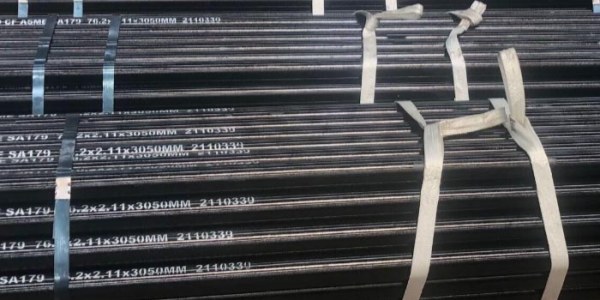
At Union Steel Industry, we supply seamless steel pipes manufactured according to major international standards, including GB/T, ASTM, ASME, EN, DIN, and JIS. These materials range from carbon steel boiler tubes to advanced Cr-Mo alloy steel grades designed for high-temperature and high-pressure service.
This guide summarizes the chemical composition requirements of the most commonly used seamless steel pipe grades for boiler and petrochemical applications.
Why Chemical Composition Matters
The chemical composition of seamless steel pipes directly influences:
Mechanical strength
High-temperature performance
Creep resistance
Corrosion resistance
Weldability
Service life
Different alloying elements perform different functions:
|
Element
|
Function
|
|
Carbon (C)
|
Increases strength and hardness
|
|
Silicon (Si)
|
Improves oxidation resistance
|
|
Manganese (Mn)
|
Enhances toughness and strength
|
|
Chromium (Cr)
|
Improves corrosion and heat resistance
|
|
Molybdenum (Mo)
|
Enhances creep resistance
|
|
Vanadium (V)
|
Increases high-temperature strength
|
|
Tungsten (W)
|
Improves thermal stability
|
|
Nickel (Ni)
|
Enhances toughness and corrosion resistance
|
|
Niobium (Nb)
|
Improves creep strength
|
|
Boron (B)
|
Increases hardenability
|
Chemical Composition of Common Boiler and Petrochemical Pipe Grades
The following table summarizes the principal alloying elements of commonly used seamless steel pipe materials.
Chemical Composition Summary Table
|
Standard
|
Grade
|
C (%)
|
Cr (%)
|
Mo (%)
|
V (%)
|
Typical Application
|
|
GB/T 3087
|
10
|
0.07-0.13
|
—
|
—
|
—
|
Low-pressure boiler tubes
|
|
GB/T 3087
|
20
|
0.17-0.23
|
—
|
—
|
—
|
Medium-pressure boilers
|
|
GB/T 9948
|
12CrMo
|
0.08-0.15
|
0.40-0.70
|
0.40-0.55
|
—
|
Refinery furnace tubes
|
|
GB/T 9948
|
15CrMo
|
0.12-0.18
|
0.80-1.10
|
0.40-0.55
|
—
|
Petrochemical piping
|
|
GB/T 9948
|
12Cr1Mo
|
0.08-0.15
|
1.00-1.50
|
0.45-0.65
|
—
|
Heat exchanger tubes
|
|
GB/T 9948
|
12Cr1MoV
|
0.08-0.15
|
0.90-1.20
|
0.25-0.35
|
0.15-0.30
|
High-temperature piping
|
|
GB/T 9948
|
12Cr2Mo
|
0.08-0.15
|
2.00-2.50
|
0.90-1.13
|
—
|
High-pressure service
|
|
GB/T 9948
|
12Cr5MoI
|
≤0.15
|
4.00-6.00
|
0.45-0.60
|
—
|
Refinery heater tubes
|
|
GB/T 9948
|
12Cr9MoI
|
≤0.15
|
8.00-10.00
|
0.90-1.10
|
—
|
High-temperature furnace tubes
|
|
GB/T 5310
|
20G
|
0.17-0.24
|
—
|
—
|
—
|
High-pressure boilers
|
|
GB/T 5310
|
15MoG
|
0.12-0.20
|
—
|
0.25-0.35
|
—
|
Superheater tubes
|
|
GB/T 5310
|
15CrMoG
|
0.12-0.18
|
0.80-1.10
|
0.40-0.55
|
—
|
Main steam pipelines
|
|
GB/T 5310
|
12Cr1MoVG
|
0.08-0.15
|
0.90-1.20
|
0.25-0.35
|
0.15-0.30
|
Power plant piping
|
|
GB/T 5310
|
10Cr9Mo1VNbN (P91 equivalent)
|
0.08-0.12
|
8.00-9.50
|
0.85-1.05
|
0.18-0.25
|
Ultra-supercritical units
|
|
GB/T 5310
|
10Cr9MoW2VNbBN (P92 equivalent)
|
0.07-0.13
|
8.50-9.50
|
0.30-0.60
|
0.15-0.25
|
Advanced power generation
|
|
ASTM A106
|
Grade B
|
≤0.30
|
—
|
—
|
—
|
Pressure piping
|
|
ASTM A106
|
Grade C
|
≤0.35
|
—
|
—
|
—
|
High-temperature service
|
|
ASME SA-209
|
T1
|
0.10-0.20
|
—
|
0.44-0.65
|
—
|
Boiler tubes
|
|
ASME SA-210
|
A1
|
≤0.27
|
—
|
—
|
—
|
Medium-pressure boilers
|
|
ASME SA-210
|
C
|
≤0.35
|
—
|
—
|
—
|
High-pressure boilers
|
|
ASME SA-213
|
T11
|
0.05-0.15
|
1.00-1.50
|
0.44-0.65
|
—
|
Superheater tubes
|
|
ASME SA-213
|
T22
|
≤0.15
|
1.90-2.60
|
0.87-1.13
|
—
|
High-temperature boilers
|
|
ASME SA-213
|
T23
|
0.04-0.10
|
1.90-2.60
|
0.05-0.30
|
0.20-0.30
|
Advanced boiler systems
|
|
ASME SA-213
|
T24
|
0.05-0.10
|
2.20-2.60
|
0.90-1.10
|
0.20-0.30
|
Power plant tubing
|
|
ASME SA-213
|
T91
|
0.08-0.12
|
8.00-9.50
|
0.85-1.05
|
0.18-0.25
|
Main steam piping
|
|
ASME SA-213
|
T92
|
0.07-0.13
|
8.50-9.50
|
0.30-0.60
|
0.15-0.25
|
Ultra-supercritical boilers
|
|
ASME SA-335
|
P11
|
0.05-0.15
|
1.00-1.50
|
0.44-0.65
|
—
|
Refinery piping
|
|
ASME SA-335
|
P22
|
≤0.15
|
1.90-2.60
|
0.87-1.13
|
—
|
Petrochemical piping
|
|
ASME SA-335
|
P91
|
0.08-0.12
|
8.00-9.50
|
0.85-1.05
|
0.18-0.25
|
High-temperature pressure piping
|
|
ASME SA-335
|
P92
|
0.07-0.13
|
8.50-9.50
|
0.30-0.60
|
0.15-0.25
|
Advanced thermal power systems
|
|
EN 10216-2
|
P195GH
|
≤0.13
|
≤0.30
|
≤0.08
|
—
|
Pressure vessels
|
|
EN 10216-2
|
P235GH
|
≤0.16
|
≤0.30
|
≤0.08
|
—
|
Boilers and pressure equipment
|
|
EN 10216-2
|
P265GH
|
≤0.20
|
≤0.30
|
≤0.08
|
—
|
Industrial boilers
|
|
DIN 17175
|
15Mo3
|
0.12-0.20
|
—
|
0.25-0.35
|
—
|
Boiler tubes
|
|
DIN 17175
|
13CrMo44
|
0.10-0.18
|
0.70-1.10
|
0.45-0.65
|
—
|
Superheater tubes
|
|
DIN 17175
|
10CrMo910
|
0.08-0.15
|
2.00-2.50
|
0.90-1.20
|
—
|
High-pressure steam pipes
|
|
JIS G3462
|
STBA24
|
≤0.15
|
1.90-2.60
|
0.87-1.13
|
—
|
Boiler tubing
|
|
JIS G3462
|
STBA26
|
≤0.15
|
8.00-10.00
|
0.90-1.10
|
—
|
High-temperature boiler tubes
|
Material Selection by Service Temperature
|
Operating Temperature
|
Recommended Grades
|
|
Below 450°C
|
20#, 20G, ASTM A106 Gr.B, P235GH
|
|
450-550°C
|
15Mo3, SA-209 T1, 15MoG
|
|
550-600°C
|
12Cr1MoV, T11, P11, 15CrMoG
|
|
600-620°C
|
T22, P22, 12Cr2MoG
|
|
620-650°C
|
T91, P91, 10Cr9Mo1VNbN
|
|
Above 650°C
|
T92, P92, 10Cr9MoW2VNbBN
|
How Union Steel Industry Ensures Material Compliance
At Union Steel Industry, every heat number is verified through:
Spectrometer chemical analysis
PMI (Positive Material Identification)
Third-party laboratory testing
Mill Test Certificate (MTC) verification
Full traceability management
This ensures every seamless steel pipe delivered complies with ASTM, ASME, EN, DIN, JIS, and GB requirements.
Why Choose Union Steel Industry?
Union Steel Industry supplies seamless steel pipes for:
Power plants
Refineries
Petrochemical facilities
Heat exchangers
Boilers
Pressure vessels
Steam pipelines
With extensive experience in carbon steel and alloy steel pipe manufacturing and export, we provide reliable material solutions for high-temperature and high-pressure applications worldwide.
FAQ
1. Which material is equivalent to P91?
GB/T 5310 10Cr9Mo1VNbN and ASME SA-213 T91 are generally considered equivalent grades.
2. What is the most common boiler tube material?
20G, SA-192, SA-210 A1, and P235GH are among the most widely used boiler tube materials.
3. Which grade is suitable for ultra-supercritical power plants?
T92, P92, and 10Cr9MoW2VNbBN are commonly used for ultra-supercritical applications.
4. Does Union Steel Industry provide alloy steel seamless pipes?
Yes. We supply carbon steel, Cr-Mo alloy steel, and high-temperature seamless pipe grades according to international standards.

 English
 Español


 Tel : +86-18565811709
 Email :
 News
News