API 5L pipe specification (updated 2026) defines the technical requirements for carbon steel line pipes used in the transportation of oil, natural gas, water, and other fluids in the petroleum and natural gas industries.
API 5L pipes are designed to ensure strength, toughness, weldability, and long-term reliability under complex operating conditions.
API 5L line pipes can be manufactured as seamless pipes or welded pipes, including ERW (Electric Resistance Welded) and SAW (Submerged Arc Welded) pipes.
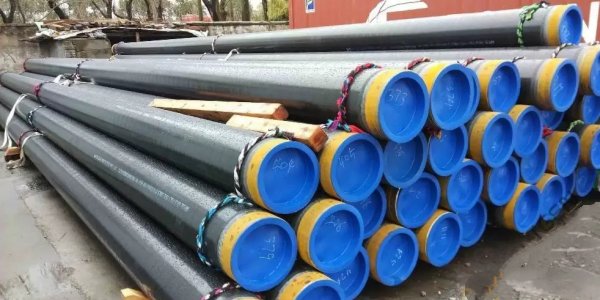
API 5L Pipe Manufacturing Types
According to the API 5L standard, line pipes are supplied in the following forms:
- Seamless Steel Pipes
Suitable for high-pressure and critical applications, offering uniform structure and excellent mechanical performance.
- ERW Pipes
Widely used for medium-pressure pipelines, offering high dimensional accuracy and cost efficiency.
- SAW Pipes (LSAW / SSAW)
Commonly applied in large-diameter, long-distance pipeline projects, both onshore and offshore.
Chemical Requirements of API 5L Pipe
Chemical Composition for PSL 1 pipe with t ≤ 0.984”
|
Steel Grade
|
Mass fraction, % based on heat and product analyses a,g
|
|
C
|
Mn
|
P
|
S
|
V
|
Nb
|
Ti
|
|
max b
|
max b
|
max
|
max
|
max
|
max
|
max
|
|
Seamless Pipe
|
|
A
|
0.22
|
0.90
|
0.03
|
0.03
|
–
|
–
|
–
|
|
B
|
0.28
|
1.20
|
0.03
|
0.03
|
c,d
|
c,d
|
d
|
|
X42
|
0.28
|
1.30
|
0.03
|
0.03
|
d
|
d
|
d
|
|
X46
|
0.28
|
1.40
|
0.03
|
0.03
|
d
|
d
|
d
|
|
X52
|
0.28
|
1.40
|
0.03
|
0.03
|
d
|
d
|
d
|
|
X56
|
0.28
|
1.40
|
0.03
|
0.03
|
d
|
d
|
d
|
|
X60
|
0.28 e
|
1.40 e
|
0.03
|
0.03
|
f
|
f
|
f
|
|
X65
|
0.28 e
|
1.40 e
|
0.03
|
0.03
|
f
|
f
|
f
|
|
X70
|
0.28 e
|
1.40 e
|
0.03
|
0.03
|
f
|
f
|
f
|
|
Welded Pipe
|
|
A
|
0.22
|
0.90
|
0.03
|
0.03
|
–
|
–
|
–
|
|
B
|
0.26
|
1.20
|
0.03
|
0.03
|
c,d
|
c,d
|
d
|
|
X42
|
0.26
|
1.30
|
0.03
|
0.03
|
d
|
d
|
d
|
|
X46
|
0.26
|
1.40
|
0.03
|
0.03
|
d
|
d
|
d
|
|
X52
|
0.26
|
1.40
|
0.03
|
0.03
|
d
|
d
|
d
|
|
X56
|
0.26
|
1.40
|
0.03
|
0.03
|
d
|
d
|
d
|
|
X60
|
0.26 e
|
1.40 e
|
0.03
|
0.03
|
f
|
f
|
f
|
|
X65
|
0.26 e
|
1.45 e
|
0.03
|
0.03
|
f
|
f
|
f
|
|
X70
|
0.26e
|
1.65 e
|
0.03
|
0.03
|
f
|
f
|
f
|
|
a. Cu ≤ = 0.50% Ni; ≤ 0.50%; Cr ≤ 0.50%; and Mo ≤ 0.15%,
b. For each reduction of 0.01% below the specified maximum concentration for carbon, an increase of 0.05% above the specified maximum concentration for Mn is permissible, up to a maximum of 1.65% for grades ≥ L245 or B, but ≤ L360 or X52; up to a maximum of 1.75% for grades > L360 or X52, but < L485 or X70; and up to a maximum of 2.00% for grade L485 or X70.,
c. Unless otherwise agreed NB + V ≤ 0.06%,
d. Nb + V + TI ≤ 0.15%,
e. Unless otherwise agreed.,
f. Unless otherwise agreed, NB + V = Ti ≤ 0.15%,
g. No deliberate addition of B is permitted and the residual B ≤ 0.001%
|
Chemical Composition for PSL 2 pipe with t ≤ 0.984”
|
Steel Grade
|
Mass fraction, % based on heat and product analyses
|
Carbon Equiv a
|
|
C
|
Si
|
Mn
|
P
|
S
|
V
|
Nb
|
Ti
|
Other
|
CE IIW
|
CE Pcm
|
|
max b
|
max
|
max b
|
max
|
max
|
max
|
max
|
max
|
max
|
max
|
|
Seamless and Welded Pipe
|
|
BR
|
0.24
|
0.40
|
1.20
|
0.025
|
0.015
|
c
|
c
|
0.04
|
e,l
|
0.43
|
0.25
|
|
X42R
|
0.24
|
0.40
|
1.20
|
0.025
|
0.015
|
0.06
|
0.05
|
0.04
|
e,l
|
0.43
|
0.25
|
|
BN
|
0.24
|
0.40
|
1.20
|
0.025
|
0.015
|
c
|
c
|
0.04
|
e,l
|
0.43
|
0.25
|
|
X42N
|
0.24
|
0.40
|
1.20
|
0.025
|
0.015
|
0.06
|
0.05
|
0.04
|
e,l
|
0.43
|
0.25
|
|
X46N
|
0.24
|
0.40
|
1.40
|
0.025
|
0.015
|
0.07
|
0.05
|
0.04
|
d,e,l
|
0.43
|
0.25
|
|
X52N
|
0.24
|
0.45
|
1.40
|
0.025
|
0.015
|
0.10
|
0.05
|
0.04
|
d,e,l
|
0.43
|
0.25
|
|
X56N
|
0.24
|
0.45
|
1.40
|
0.025
|
0.015
|
0.10f
|
0.05
|
0.04
|
d,e,l
|
0.43
|
0.25
|
|
X60N
|
0.24f
|
0.45f
|
1.40f
|
0.025
|
0.015
|
0.10f
|
0.05f
|
0.04f
|
g,h,l
|
As agreed
|
|
BQ
|
0.18
|
0.45
|
1.40
|
0.025
|
0.015
|
0.05
|
0.05
|
0.04
|
e,l
|
0.43
|
0.25
|
|
X42Q
|
0.18
|
0.45
|
1.40
|
0.025
|
0.015
|
0.05
|
0.05
|
0.04
|
e,l
|
0.43
|
0.25
|
|
X46Q
|
0.18
|
0.45
|
1.40
|
0.025
|
0.015
|
0.05
|
0.05
|
0.04
|
e,l
|
0.43
|
0.25
|
|
X52Q
|
0.18
|
0.45
|
1.50
|
0.025
|
0.015
|
0.05
|
0.05
|
0.04
|
e,l
|
0.43
|
0.25
|
|
X56Q
|
0.18
|
0.45f
|
1.50
|
0.025
|
0.015
|
0.07
|
0.05
|
0.04
|
e,l
|
0.43
|
0.25
|
|
X60Q
|
0.18f
|
0.45f
|
1.70f
|
0.025
|
0.015
|
g
|
g
|
g
|
h,l
|
0.43
|
0.25
|
|
X65Q
|
0.18f
|
0.45f
|
1.70f
|
0.025
|
0.015
|
g
|
g
|
g
|
h,l
|
0.43
|
0.25
|
|
X70Q
|
0.18f
|
0.45f
|
1.80f
|
0.025
|
0.015
|
g
|
g
|
g
|
h,l
|
0.43
|
0.25
|
|
X80Q
|
0.18f
|
0.45f
|
1.90f
|
0.025
|
0.015
|
g
|
g
|
g
|
i,j
|
As agreed
|
|
X90Q
|
0.16f
|
0.45f
|
1.90
|
0.020
|
0.010
|
g
|
g
|
g
|
j,k
|
As agreed
|
|
X100Q
|
0.16f
|
0.45f
|
1.90
|
0.020
|
0.010
|
g
|
g
|
g
|
j,k
|
As agreed
|
|
Welded Pipe
|
|
BM
|
0.22
|
0.45
|
1.20
|
0.025
|
0.015
|
0.05
|
0.05
|
0.04
|
e,l
|
0.43
|
0.25
|
|
X42M
|
0.22
|
0.45
|
1.30
|
0.025
|
0.015
|
0.05
|
0.05
|
0.04
|
e,l
|
0.43
|
0.25
|
|
X46M
|
0.22
|
0.45
|
1.30
|
0.025
|
0.015
|
0.05
|
0.05
|
0.04
|
e,l
|
0.43
|
0.25
|
|
X52M
|
0.22
|
0.45
|
1.40
|
0.025
|
0.015
|
d
|
d
|
d
|
e,l
|
0.43
|
0.25
|
|
X56M
|
0.22
|
0.45f
|
1.40
|
0.025
|
0.015
|
d
|
d
|
d
|
e,l
|
0.43
|
0.25
|
|
X60M
|
0.12f
|
0.45f
|
1.60f
|
0.025
|
0.015
|
g
|
g
|
g
|
h,l
|
0.43
|
0.25
|
|
X65M
|
0.12f
|
0.45f
|
1.60f
|
0.025
|
0.015
|
g
|
g
|
g
|
h,l
|
0.43
|
0.25
|
|
X70M
|
0.12f
|
0.45f
|
1.70f
|
0.025
|
0.015
|
g
|
g
|
g
|
h,l
|
0.43
|
0.25
|
|
X80M
|
0.12f
|
0.45f
|
1.85f
|
0.025
|
0.015
|
g
|
g
|
g
|
i,j
|
.043f
|
0.25
|
|
X90M
|
0.1
|
0.55f
|
2.10f
|
0.02
|
0.01
|
g
|
g
|
g
|
i,j
|
–
|
0.25
|
|
X100M
|
0.1
|
0.55f
|
2.10f
|
0.02
|
0.01
|
g
|
g
|
g
|
i,j
|
–
|
0.25
|
|
a. SMLS t>0.787”, CE limits shall be as agreed. The CEIIW limits applied fi C > 0.12% and the CEPcm limits apply if C ≤ 0.12%,
b. For each reduction of 0.01% below the specified maximum for C, an increase of 0.05% above the specified maximum for Mn is permissible, up to a maximum of 1.65% for grades ≥ L245 or B, but ≤ L360 or X52; up to a maximum of 1.75% for grades > L360 or X52, but < L485 or X70; up to a maximum of 2.00% for grades ≥ L485 or X70, but ≤ L555 or X80; and up to a maximum of 2.20% for grades > L555 or X80.,
c. Unless otherwise agreed Nb = V ≤ 0.06%,
d. Nb = V = Ti ≤ 0.15%,
e. Unless otherwise agreed, Cu ≤ 0.50%; Ni ≤ 0.30% Cr ≤ 0.30% and Mo ≤ 0.15%,
f. Unless otherwise agreed,
g. Unless otherwise agreed, Nb + V + Ti ≤ 0.15%,
h. Unless otherwise agreed, Cu ≤ 0.50% Ni ≤ 0.50% Cr ≤ 0.50% and MO ≤ 0.50%,
i. Unless otherwise agreed, Cu ≤ 0.50% Ni ≤ 1.00% Cr ≤ 0.50% and MO ≤ 0.50%,
j. B ≤ 0.004%,
k. Unless otherwise agreed, Cu ≤ 0.50% Ni ≤ 1.00% Cr ≤ 0.55% and MO ≤ 0.80%,
l. For all PSL 2 pipe grades except those grades with footnotes j noted, the following applies. Unless otherwise agreed no intentional addition of B is permitted and residual B ≤ 0.001%.
|
Mechanical Properties of API 5L Pipe
|
Pipe Grade
|
Tensile Properties – Pipe Body of SMLS and Welded Pipes PSL 1
|
Seam of Welded Pipe
|
|
Yield Strength a
|
Tensile Strength a
|
Elongation
|
Tensile Strength b
|
|
Rt0,5 PSI Min
|
Rm PSI Min
|
(in 2in Af % min)
|
Rm PSI Min
|
|
A
|
30,500
|
48,600
|
c
|
48,600
|
|
B
|
35,500
|
60,200
|
c
|
60,200
|
|
X42
|
42,100
|
60,200
|
c
|
60,200
|
|
X46
|
46,400
|
63,100
|
c
|
63,100
|
|
X52
|
52,200
|
66,700
|
c
|
66,700
|
|
X56
|
56,600
|
71,100
|
c
|
71,100
|
|
X60
|
60,200
|
75,400
|
c
|
75,400
|
|
X65
|
65,300
|
77,500
|
c
|
77,500
|
|
X70
|
70,300
|
82,700
|
c
|
82,700
|
|
a. For intermediate grade, the difference between the specified minimum tensile strength and the specified minimum yield for the pipe body shall be as given for the next higher grade.
|
|
b. For the intermediate grades, the specified minimum tensile strength for the weld seam shall be the same as determined for the body using foot note a.
|
|
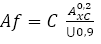
c. The specified minimum elongation, Af, expressed in percent and rounded to the nearest percent, shall be determined using the following equation:
|
|
|
|
Where C is 1 940 for calculation using Si units and 625 000 for calculation using USC units
|
|
Axc is the applicable tensile test piece cross-sectional area, expressed in square millimeters (square inches) , as follows
|
|
– For circular cross-section test pieces, 130mm2 (0.20 in2) for 12.7 mm (0.500 in) and 8.9 mm (.350 in) diameter test pieces; and 65 mm2 (0.10 in2) for 6.4 mm (0.250in) diameter test pieces.
|
|
– For full-section test pieces, the lesser of a) 485 mm2 (0.75 in2) and b) the cross-sectional area of the test piece, derived using the specified outside diameter and the specified wall thickness of the pipe, rounded to the nearest 10 mm2 (0.10in2)
|
|
– For strip test pieces, the lesser of a) 485 mm2 (0.75 in2) and b) the cross-sectional area of the test piece, derived using the specified width of the test piece and the specified wall thickness of the pipe, rounded to the nearest 10 mm2 (0.10in2)
|
|
U is the specified minimum tensile strength, expressed in megapascals (pounds per square inch)
|
|
Pipe Grade
|
Tensile Properties – Pipe Body of SMLS and Welded Pipes PSL 2
|
Seam of Welded Pipe
|
|
Yield Strength a
|
Tensile Strength a
|
Ratio a,c
|
Elongation
|
Tensile Strength d
|
|
Rt0,5 PSI Min
|
Rm PSI Min
|
R10,5IRm
|
(in 2in)
|
Rm (psi)
|
|
|
|
|
Af %
|
|
|
Minimum
|
Maximum
|
Minimum
|
Maximum
|
Maximum
|
Minimum
|
Minimum
|
|
BR, BN,BQ,BM
|
35,500
|
65,300
|
60,200
|
95,000
|
0.93
|
f
|
60,200
|
|
X42,X42R,X2Q,X42M
|
42,100
|
71,800
|
60,200
|
95,000
|
0.93
|
f
|
60,200
|
|
X46N,X46Q,X46M
|
46,400
|
76,100
|
63,100
|
95,000
|
0.93
|
f
|
63,100
|
|
X52N,X52Q,X52M
|
52,200
|
76,900
|
66,700
|
110,200
|
0.93
|
f
|
66,700
|
|
X56N,X56Q,X56M
|
56,600
|
79,000
|
71,100
|
110,200
|
0.93
|
f
|
71,100
|
|
X60N,X60Q,S60M
|
60,200
|
81,900
|
75,400
|
110,200
|
0.93
|
f
|
75,400
|
|
X65Q,X65M
|
65,300
|
87,000
|
77,600
|
110,200
|
0.93
|
f
|
76,600
|
|
X70Q,X65M
|
70,300
|
92,100
|
82,700
|
110,200
|
0.93
|
f
|
82,700
|
|
X80Q,X80M
|
80,.500
|
102,300
|
90,600
|
119,700
|
0.93
|
f
|
90,600
|
|
a. For intermediate grade, refer to the full API5L specification.
|
|
b. for grades > X90 refer to the full API5L specification.
|
|
c. This limit applies for pies with D> 12.750 in
|
|
d. For intermediate grades, the specified minimum tensile strength for the weld seam shall be the same value as was determined for the pipe body using foot a.
|
|
e. for pipe requiring longitudinal testing, the maximum yield strength shall be ≤ 71,800 psi
|
|
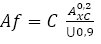
f. The specified minimum elongation, Af, expressed in percent and rounded to the nearest percent, shall be determined using the following equation:
|
|
|
|
Where C is 1 940 for calculation using Si units and 625 000 for calculation using USC units
|
|
Axc is the applicable tensile test piece cross-sectional area, expressed in square millimeters (square inches) , as follows
|
|
– For circular cross-section test pieces, 130mm2 (0.20 in2) for 12.7 mm (0.500 in) and 8.9 mm (.350 in) diameter test pieces; and 65 mm2 (0.10 in2) for 6.4 mm (0.250in) diameter test pieces.
|
|
– For full-section test pieces, the lesser of a) 485 mm2 (0.75 in2) and b) the cross-sectional area of the test piece, derived using the specified outside diameter and the specified wall thickness of the pipe, rounded to the nearest 10 mm2 (0.10in2)
|
|
– For strip test pieces, the lesser of a) 485 mm2 (0.75 in2) and b) the cross-sectional area of the test piece, derived using the specified width of the test piece and the specified wall thickness of the pipe, rounded to the nearest 10 mm2 (0.10in2)
|
|
U is the specified minimum tensile strength, expressed in megapascals (pounds per square inch
|
|
g. Lower values fo R10,5IRm may be specified by agreement
|
|
h. for grades > x90 refer to the full API5L specification.
|
Conclusion: Why API 5L Pipe Specification Matters in 2026
As global pipeline projects continue to move toward higher pressure, longer distances, harsher environments, and stricter safety regulations, the API 5L pipe specification (2026 update) remains the core international reference standard for line pipe selection.
Understanding the manufacturing type, grade, and PSL level of API 5L pipes helps engineers, contractors, and procurement teams:
Improve pipeline safety
Optimize cost-performance balance
Ensure long-term operational reliability
Selecting the correct API 5L pipe is not just a compliance issue—it is a critical engineering decision that directly affects pipeline performance and lifecycle cost.
FAQ
Q1: What is API 5L pipe used for?
A: API 5L pipe is used for transporting oil, natural gas, water, and other fluids in onshore and offshore pipeline systems.
Q2: What is the difference between API 5L PSL1 and PSL2?
A: PSL2 has stricter chemical, mechanical, impact testing, and inspection requirements than PSL1.
Q3: What manufacturing types are allowed under API 5L?
A: Seamless, ERW, and SAW (LSAW and SSAW) pipes are all permitted under API 5L.
Q4: Which API 5L grades are most commonly used?
A: Grade B, X52, X60, X65, and X70 are widely used in modern pipeline projects.
Q5: Is API 5L suitable for sour service pipelines?
A: Yes. API 5L PSL2 pipes can be supplied for sour service with controlled chemical composition and toughness requirements.

 English
 Español


 Tel : +86-18565811709
 Email :
 News
News