Boiler tubes and heat exchanger tubes are stainless steel tubes designed for efficient heat transfer between fluids under elevated temperature and pressure conditions, which are widely used in power generation, petrochemical processing, refinery systems, LNG facilities, shipbuilding, pharmaceutical plants, and industrial heat-transfer equipment.
Common manufacturing standards include ASTM A269, ASTM A249, and GB/T 24593, covering both seamless and welded stainless steel tubing for critical industrial services. ASTM A249 specifically covers welded austenitic stainless steel tubes for boilers, superheaters, heat exchangers, and condensers, while ASTM A269 covers seamless and welded stainless steel tubing for general corrosion-resistant service.
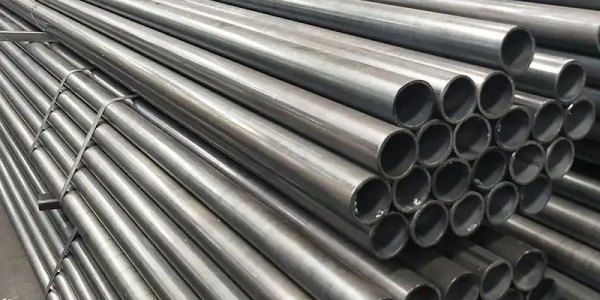
Applicable Standards of Stainless Steel Tube
According to the specification sheet, the main standards include:
|
Standard
|
Description
|
|
ASTM A269
|
Seamless and welded austenitic stainless steel tubing
|
|
ASTM A249
|
Welded austenitic stainless steel boiler and heat exchanger tubes
|
|
GB/T 24593
|
Stainless steel welded tubes for heat exchangers and condensers
|
|
GB/T 21832.1
|
Industrial stainless steel tubing standard
|
ASTM A249 is specifically intended for welded tubes used in boilers, superheaters, condensers, and heat exchangers, while ASTM A269 is commonly used for general-purpose corrosion-resistant tubing applications.
Common Material Grades of Stainless Steel Tube
The specification lists the following commonly supplied grades:
|
Grade
|
Material Type
|
Main Features
|
|
304
|
Austenitic Stainless Steel
|
General industrial service
|
|
304L
|
Low Carbon Stainless Steel
|
Excellent weldability
|
|
316L
|
Molybdenum Stainless Steel
|
Enhanced chloride corrosion resistance
|
|
310S
|
Heat Resistant Stainless Steel
|
High-temperature service
|
|
2205
|
Duplex Stainless Steel
|
High strength and corrosion resistance
|
|
S31803
|
Duplex Stainless Steel
|
Excellent pitting resistance
|
ASTM A269 / ASTM A249 Stainless Steel Tube Size Table
American Standard Specification Table
|
DN
|
NPS
|
OD (mm)
|
SCH 5S
|
SCH 10S
|
SCH 40S
|
SCH 80S
|
|
6
|
1/8
|
10.3
|
—
|
1.24
|
1.73
|
2.41
|
|
8
|
1/4
|
13.7
|
—
|
1.65
|
2.24
|
3.02
|
|
10
|
3/8
|
17.1
|
—
|
1.65
|
2.31
|
3.20
|
|
15
|
1/2
|
21.3
|
1.65
|
2.11
|
2.77
|
3.73
|
|
20
|
3/4
|
26.7
|
1.65
|
2.11
|
2.87
|
3.91
|
|
25
|
1
|
33.4
|
1.65
|
2.77
|
3.38
|
4.55
|
|
32
|
1-1/4
|
42.2
|
1.65
|
2.77
|
3.56
|
4.85
|
|
40
|
1-1/2
|
48.3
|
1.65
|
2.77
|
3.68
|
5.08
|
|
50
|
2
|
60.3
|
1.65
|
2.77
|
3.91
|
5.54
|
|
65
|
2-1/2
|
73
|
2.11
|
3.05
|
5.16
|
7.01
|
|
80
|
3
|
88.9
|
2.11
|
3.05
|
5.49
|
7.62
|
|
90
|
3-1/2
|
101.6
|
2.11
|
3.05
|
5.74
|
8.08
|
|
100
|
4
|
114.3
|
2.11
|
3.05
|
6.02
|
8.56
|
|
125
|
5
|
141.3
|
2.77
|
3.40
|
7.11
|
10.97
|
|
150
|
6
|
168.3
|
2.77
|
3.40
|
7.11
|
10.97
|
|
200
|
8
|
219.1
|
2.77
|
3.76
|
8.18
|
12.70
|
|
250
|
10
|
273
|
3.40
|
4.19
|
9.27
|
12.70
|
GB/T 24593 Stainless Steel Tube Size Range
According to the specification sheet, GB/T 24593 covers:
|
Outside Diameter (mm)
|
|
10.2
|
|
13.5
|
|
17.2
|
|
21.3
|
|
26.9
|
|
33.7
|
|
42.4
|
|
48.3
|
|
60.3
|
|
76.1
|
|
88.9
|
|
114.3
|
|
139.7
|
|
168.3
|
|
219.1
|
|
273.1
|
Available wall thicknesses include:
0.3mm, 1mm, 1.4mm, 1.6mm, 1.8mm, 2mm, 2.5mm, 3.5mm, 4mm, 4.5mm, 5mm, 5.5mm, 6.5mm, 7mm, and 8mm.
Advantages of Stainless Steel Heat Exchanger Tubes
Excellent Corrosion Resistance
304L and 316L stainless steel tubes provide excellent resistance against moisture, chemicals, and chloride-containing media.
High Temperature Performance
310S and duplex stainless steels maintain stable mechanical properties at elevated temperatures.
Efficient Heat Transfer
Smooth internal surfaces help reduce scaling and improve thermal efficiency.
Long Service Life
Properly selected stainless steel tubes can operate for decades under demanding industrial conditions.
Low Maintenance Costs
Higher initial investment is often offset by reduced maintenance and replacement expenses.
How to Select the Right Heat Exchanger Tube
Choose the Correct Material
304/304L for general industrial service
316L for chloride environments
2205 duplex for aggressive corrosion conditions
310S for high-temperature systems
Verify Operating Conditions
Consider:
Design temperature
Design pressure
Corrosive medium
Flow rate
Confirm Applicable Standards
Verify compliance with:
ASTM A249
ASTM A269
GB/T 24593
Project specifications
FAQ
1. What is ASTM A249 stainless steel tube?
ASTM A249 covers welded stainless steel tubes used in boilers, heat exchangers, condensers, and superheaters.
2. What is the difference between ASTM A249 and ASTM A269?
ASTM A249 is mainly for heat-transfer applications, while ASTM A269 is a general-purpose stainless steel tubing standard.
3. Which stainless steel grade is best for heat exchangers?
316L is commonly selected for corrosive environments, while 304L is widely used for general industrial applications.
4. Are welded tubes suitable for boilers?
Yes. ASTM A249 welded tubes are specifically designed for boiler, condenser, and heat exchanger service.
5. What industries use stainless steel heat exchanger tubes?
Power generation, petrochemical processing, LNG, marine engineering, pharmaceutical manufacturing, and food processing industries.

 English
 Español


 Tel : +86-18565811709
 Email :
 News
News