Food grade stainless steel pipe is widely used in food processing, beverage production, dairy systems, breweries, pharmaceutical manufacturing, purified water systems, and hygienic fluid transportation. These pipes are designed to meet strict sanitary requirements while providing excellent corrosion resistance, cleanability, and long service life.
Compared with ordinary industrial stainless steel pipes, food-grade stainless steel pipes feature smoother internal surfaces, tighter dimensional tolerances, and higher hygiene standards to prevent contamination during production and transportation.
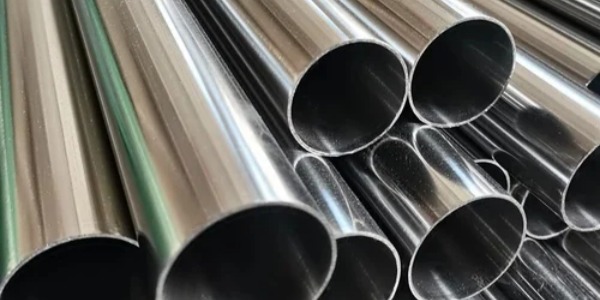
What Is Food Grade Stainless Steel Pipe?
Food grade stainless steel pipe refers to stainless steel tubing specifically manufactured for applications requiring hygienic and contamination-free fluid handling.
Food Grade Stainless Steel Pipe Standards
According to the specification sheet, food-grade stainless steel pipes are manufactured according to the following standards:
|
Standard
|
Description
|
|
ASTM A270
|
Sanitary stainless steel tubing
|
|
DIN 11850
|
Stainless steel tubes for food and chemical industries
|
|
ISO 2037
|
Stainless steel tubes for the food industry
|
|
JIS G3447
|
Stainless steel sanitary tubing
|
|
QB/T 2467
|
Food industry stainless steel pipe
|
These standards specify:
Pipe dimensions
Surface finish requirements
Material grades
Wall thickness tolerances
Hygienic performance requirements
Common Food Grade Stainless Steel Materials
The specification lists several commonly used grades:
|
Grade
|
Material Type
|
Main Features
|
|
304
|
Austenitic Stainless Steel
|
Most widely used food-grade material
|
|
304L
|
Low Carbon Stainless Steel
|
Excellent weldability
|
|
316L
|
Molybdenum Stainless Steel
|
Superior corrosion resistance
|
|
310S
|
Heat Resistant Stainless Steel
|
High-temperature applications
|
|
2205
|
Duplex Stainless Steel
|
High strength and corrosion resistance
|
Why Is 316L Preferred in Food Processing?
316L contains molybdenum, which improves resistance to:
Chlorides
Cleaning chemicals
Acidic food products
Salt-containing environments
For dairy, beverage, pharmaceutical, and purified water systems, 316L is often the preferred material.
GB/T 151 Thin-Wall Stainless Steel Tube Specification
GB/T 151 Thin-Wall Stainless Steel Tube Dimensions
|
DN
|
Series 1 OD (mm)
|
WT (mm)
|
|
12
|
15
|
0.8
|
|
15
|
18
|
1.0
|
|
20
|
22
|
1.2
|
|
25
|
28
|
1.2
|
|
32
|
35
|
1.5
|
|
40
|
42
|
1.5
|
|
50
|
54
|
1.5
|
|
60
|
60.3
|
1.5
|
|
65
|
76.1
|
2.0
|
|
80
|
88.9
|
2.0
|
|
100
|
101.6
|
2.0
|
|
125
|
133
|
2.5
|
|
150
|
159
|
2.5
|
|
200
|
219
|
3.0
|
|
250
|
273
|
4.0
|
|
300
|
325
|
4.0
|
DIN 11850 Stainless Steel Tube Dimensions
DIN 11850 Series 1
|
DN
|
OD (mm)
|
WT (mm)
|
|
10
|
13
|
1.5
|
|
15
|
19
|
1.5
|
|
20
|
23
|
1.5
|
|
25
|
29
|
1.5
|
|
32
|
35
|
1.5
|
|
40
|
41
|
1.5
|
|
50
|
53
|
1.5
|
|
65
|
70
|
2.0
|
|
80
|
85
|
2.0
|
|
100
|
104
|
2.0
|
|
125
|
129
|
2.0
|
|
150
|
154
|
2.0
|
|
200
|
204
|
2.0
|
DIN 11850 Series 2
|
DN
|
OD (mm)
|
WT (mm)
|
|
10
|
13.5
|
1.5
|
|
15
|
19.0
|
1.5
|
|
20
|
23.0
|
1.5
|
|
25
|
29.0
|
1.5
|
|
32
|
35.0
|
1.5
|
|
40
|
41.0
|
1.5
|
|
50
|
53.0
|
1.5
|
|
65
|
70.0
|
2.0
|
|
80
|
85.0
|
2.0
|
|
100
|
104.0
|
2.0
|
|
125
|
129.0
|
2.0
|
|
150
|
154.0
|
2.0
|
|
200
|
204.0
|
2.0
|
ISO 2037 Food Industry Stainless Steel Tube Dimensions
|
OD (mm)
|
WT (mm) Range
|
|
12.7
|
1.2–1.6
|
|
17.2
|
1.2–1.6
|
|
21.3
|
1.2–2.0
|
|
26.9
|
1.2–2.0
|
|
33.7
|
1.2–2.0
|
|
42.4
|
1.6–2.6
|
|
48.3
|
1.6–2.6
|
|
60.3
|
2.0–2.6
|
|
76.1
|
2.0–2.6
|
|
88.9
|
2.0–2.6
|
|
101.6
|
2.0–2.6
|
|
114.3
|
2.6
|
|
139.7
|
2.6
|
|
168.3
|
2.6
|
|
219.1
|
2.6
|
|
273.0
|
2.6
|
|
323.9
|
2.6
|
|
355.6
|
2.6
|
|
406.4
|
3.2
|
JIS G3447 Light Gauge Stainless Steel Tube Specification
|
OD (mm)
|
WT (mm)
|
|
12.7
|
0.8–1.0
|
|
15.9
|
1.0
|
|
19.0
|
1.0
|
|
22.2
|
1.2
|
|
25.4
|
1.2
|
|
28.6
|
1.2
|
|
32.0
|
1.5
|
|
35.0
|
1.5
|
|
42.7
|
1.5
|
|
48.6
|
1.5
|
|
60.5
|
1.5
|
|
63.5
|
1.5
|
|
76.3
|
2.0
|
|
88.9
|
2.0
|
|
101.6
|
2.0
|
|
108.0
|
2.0
|
QB/T 2467 Food Industry Stainless Steel Pipe Specification
Available Outside Diameters
|
OD (mm)
|
|
6
|
|
8
|
|
10
|
|
12.7
|
|
17.2
|
|
21.3
|
|
25
|
|
33.7
|
|
38
|
|
40
|
|
51
|
|
63.5
|
|
70
|
|
76.1
|
|
88.9
|
|
101.6
|
|
114.3
|
|
139.7
|
|
168.3
|
|
219.1
|
|
273
|
|
323.9
|
|
355.6
|
|
406.4
|
Available Wall Thickness Range
1.0 mm – 3.2 mm
Applications of Food Grade Stainless Steel Pipe
Food-grade stainless steel pipes are widely used in:
Food Processing
Dairy production
Beverage manufacturing
Juice processing
Brewing systems
Pharmaceutical Industry
Purified water systems
Pharmaceutical fluid transfer
Sterile processing lines
Water Treatment
Drinking water systems
RO water systems
Ultrapure water systems
Chemical Processing
Hygienic chemical transportation
Corrosion-resistant fluid handling
Why Stainless Steel Is Ideal for Food Applications
Hygienic Surface
Smooth surfaces reduce bacterial growth and contamination risks.
Corrosion Resistance
Resistant to acids, salts, detergents, and cleaning chemicals.
Easy Cleaning
Suitable for CIP (Clean-In-Place) and SIP (Sterilize-In-Place) systems.
Long Service Life
Provides reliable performance in continuous production environments.
FAQ
1. What is food grade stainless steel pipe?
Food grade stainless steel pipe is sanitary tubing designed for food, beverage, dairy, pharmaceutical, and purified water applications.
2. Which stainless steel grade is most commonly used for food processing?
304 and 316L are the most widely used food-grade stainless steel materials.
3. Why is 316L better than 304 for some applications?
316L offers better resistance to chlorides, acids, and cleaning chemicals.
4. What standards are used for sanitary stainless steel tubing?
Common standards include ASTM A270, DIN 11850, ISO 2037, JIS G3447, and QB/T 2467.
5. Where are food-grade stainless steel pipes used?
They are widely used in food processing plants, breweries, dairy systems, pharmaceutical facilities, and purified water systems.

 English
 Español


 Tel : +86-18565811709
 Email :
 News
News