As global construction shifts toward low-carbon, high-efficiency building models, prefabricated steel structures are becoming a core solution for sustainable construction. By integrating factory manufacturing, modular assembly, and recyclable steel materials, prefabricated steel buildings significantly reduce environmental impact while improving construction efficiency and long-term performance.
For developers, engineers, and contractors, prefabricated steel structures are no longer an alternative solution — they are rapidly becoming a mainstream construction strategy.
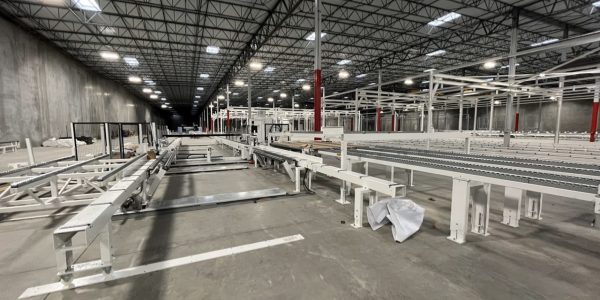
Key Benefits of Prefabricated Steel Structures
- Faster Construction and Higher Efficiency
Prefabricated steel structures are manufactured off-site under controlled factory conditions, allowing simultaneous site preparation and component production. This parallel workflow can shorten project schedules by 30–50% compared with traditional construction.
Reduced on-site labor, minimal weather delays, and precise component fit all contribute to predictable timelines and improved project delivery.
- Sustainability and Environmental Performance
Prefabricated steel construction supports sustainable building goals through:
High material utilization with minimal waste
Extensive use of recyclable steel
Reduced on-site pollution and noise
Lower embodied carbon compared to conventional concrete-heavy structures
Steel is one of the most recycled materials globally, and prefabricated steel buildings align well with green building certifications and ESG requirements.
- Structural Strength and Long-Term Durability
Steel structures offer excellent resistance to:
Seismic loads
Wind and extreme weather
Fire (with proper fireproofing systems)
Corrosion (via galvanizing or coating systems)
This durability results in lower lifecycle maintenance costs and extended service life, making prefabricated steel buildings suitable for industrial, commercial, and infrastructure applications.
What Are Prefabricated Steel Structures?
Prefabricated steel structures consist of factory-fabricated steel components—such as beams, columns, frames, panels, or modules—that are transported to the site for rapid assembly.
This construction method ensures dimensional accuracy, consistent quality, and efficient installation.
Common Types of Prefabricated Steel Structures
|
Type
|
Application
|
|
Modular steel buildings
|
Residential, hotels, dormitories
|
|
Pre-engineered steel buildings (PEB)
|
Warehouses, factories, logistics centers
|
|
Steel frame systems
|
High-rise and commercial buildings
|
|
Panelized steel structures
|
Walls, floors, enclosure systems
|
|
Hybrid steel systems
|
Steel combined with concrete or timber
|
These systems provide flexibility for diverse architectural and functional requirements.
Environmental Advantages of Prefabricated Steel Construction
- Reduced Construction Waste
Factory-controlled fabrication significantly reduces cutting waste, material errors, and rework compared with on-site construction.
- Energy-Efficient Manufacturing
Modern steel production increasingly relies on electric arc furnaces and recycled steel, lowering energy consumption and emissions per ton of material produced.
- High Recyclability
Steel can be recycled repeatedly without loss of mechanical properties, supporting circular economy principles and sustainable material management.
Technological Innovations Driving Steel Prefabrication
BIM and digital design tools improve coordination and reduce errors
Automation and CNC fabrication enhance precision and productivity
Smart building integration enables energy monitoring and operational efficiency
Modular standardization accelerates large-scale deployment
These technologies make prefabricated steel construction more reliable, scalable, and cost-effective.
Applications of Prefabricated Steel Structures
Prefabricated steel structures are widely used in:
Commercial buildings and offices
Residential housing and apartments
Industrial plants and warehouses
Infrastructure and utility facilities
Emergency shelters and temporary buildings
Their adaptability makes them suitable for both permanent and fast-deployment projects.
Challenges and Practical Considerations of Prefabricated Steel Structures
While prefabricated steel structures offer clear advantages, decision-makers should consider:
Local building codes and zoning regulations
Initial investment versus lifecycle cost savings
Availability of skilled installation teams
Early-stage design coordination requirements
Most challenges can be mitigated through proper planning and experienced suppliers.
Conclusion: A Smarter Path to Sustainable Construction
Prefabricated steel structures represent a future-ready construction solution, combining speed, sustainability, strength, and cost control. By reducing waste, lowering emissions, and improving construction efficiency, they align perfectly with modern green building and industrial development goals.
For projects prioritizing performance, environmental responsibility, and long-term value, prefabricated steel structures are not just an option — they are the smart choice.
Prefabricated Steel Structures FAQ
Q1: Why are prefabricated steel structures considered sustainable?
They reduce construction waste, use recyclable steel, shorten project timelines, and lower overall environmental impact.
Q2: Are prefabricated steel buildings durable?
Yes. Steel structures offer high strength, seismic resistance, corrosion protection, and long service life.
Q3: What industries commonly use prefabricated steel structures?
Industrial, commercial, residential, infrastructure, and emergency construction sectors widely adopt steel prefabrication.
Q4: Do prefabricated steel structures reduce construction costs?
They lower labor, time, and maintenance costs, improving total lifecycle cost efficiency.

 English
 Español


 Tel : +86-18565811709
 Email :
 News
News