Pre-engineered metal buildings (PEMBs) are widely used in commercial and industrial construction due to their cost efficiency, design flexibility, and fast installation. While often associated with commercial spaces, PEMB systems can be engineered to meet the requirements of almost any builder or project type.
However, like any construction method, pre-engineered steel buildings come with both advantages and limitations. Understanding these factors helps project owners, architects, and contractors determine whether a PEMB solution is the right fit.
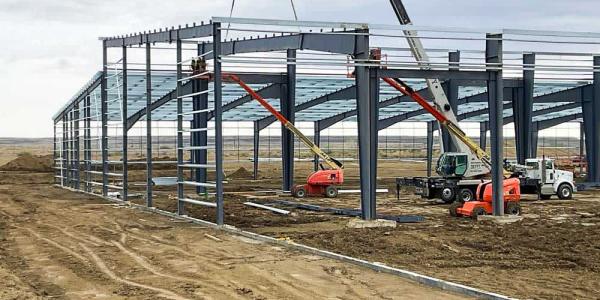
What Is a Pre-Engineered Metal Building?
A pre-engineered metal building is a structural system built around a steel frame, combined with metal roof and wall panels. Unlike conventional construction, PEMBs are designed and fabricated in advance to precise specifications before being delivered to the construction site for assembly.
Key characteristics include:
Custom-designed dimensions based on owner requirements
Compliance with local building codes and load conditions
Engineering considerations for wind, snow, seismic, and environmental factors
Factory-fabricated structural components shipped ready for erection
This controlled manufacturing process allows for greater dimensional accuracy and predictable performance compared to traditional building methods.
Common Uses of Pre-Engineered Metal Buildings
Pre-engineered metal buildings are used across multiple sectors due to their adaptability and structural efficiency.
- Agricultural Buildings
Steel buildings provide a cost-effective, low-maintenance solution for housing agricultural equipment, grain storage, and livestock while offering strong protection from weather and pests.
- Commercial Buildings
From retail spaces to office facilities, PEMBs offer flexible layouts and long-term durability, making them a solid investment for businesses of all sizes.
- Government & Public Facilities
Government projects often operate under strict budget constraints. Pre-engineered steel buildings help control construction costs, meet regulatory standards, and support sustainable building goals. Typical applications include fire stations, maintenance facilities, and public works buildings.
- Storage Warehouses
Thanks to clear-span design capabilities, PEMBs allow for large, unobstructed interior spaces, ideal for warehousing and logistics operations.
- Recreational & Sports Facilities
Metal building systems are well suited for sports complexes and recreation centers, offering maximum usable space and the ability to expand or adapt as future needs change.
Disadvantages of Pre-Engineered Metal Buildings
- Finishing and Interior Build-Out Complexity
Interior finishing can require additional planning. Drywall cannot be attached directly to exterior metal panels without supplemental framing. Added insulation or interior walls may slightly reduce usable floor space. Structural columns may also appear bulky if not integrated into the interior design.
Working with an experienced PEMB supplier helps ensure these details are addressed during the design phase.
- Roof-Mounted or Suspended Equipment Limitations
PEMB roofs are commonly framed with light-gauge cold-formed purlins, which are not designed to support heavy rooftop or suspended mechanical equipment. Additional structural supports are often required for HVAC units or other mechanical loads.
- Delivery and Scheduling Delays
Delivery timelines may be affected by weather conditions, transportation distance, and seasonal factors. Winter weather can slow logistics, particularly in remote areas. Selecting a supplier that services your region and scheduling installation during favorable weather can reduce delays.
- Design and Expansion Constraints
Future expansion is possible but typically limited to directions parallel to the existing roof ridge. Vertical expansion and structural modifications are feasible but must be carefully engineered to align with the original building design.
- Perceived Durability and Aesthetic Concerns
Some critics claim metal panels fade or dent over time. However, modern steel coatings and finishes have significantly improved color retention, impact resistance, and long-term appearance, addressing many of these concerns.
Advantages of Pre-Engineered Metal Buildings
- Faster Construction Time
PEMBs significantly reduce construction schedules. Pre-cut, pre-labeled components and detailed erection drawings allow for rapid on-site assembly, often completing projects in half the time of traditional wood or concrete structures.
- Lower Overall Cost
Pre-engineered metal buildings are among the most cost-effective construction solutions available. Savings come from reduced labor, efficient material usage, and streamlined fabrication processes. These cost benefits are especially attractive for commercial and industrial projects.
- Low Maintenance Requirements
Steel structures require minimal maintenance. They are resistant to rust, corrosion, fire, and extreme weather. Protective coatings and reflective paint options further enhance durability and energy efficiency, resulting in lower long-term ownership costs.
Are Pre-Engineered Metal Buildings the Right Choice?
Pre-engineered metal buildings offer an excellent balance of speed, cost control, durability, and flexibility. While there are design considerations and structural limitations to address, many of these challenges can be mitigated through proper planning and collaboration with an experienced PEMB manufacturer.
FAQ
1. What is a pre-engineered metal building (PEMB)?
A pre-engineered metal building is a steel-framed structure designed, fabricated, and pre-cut in a factory, then shipped to site for fast and efficient assembly.
2. What are the main advantages of pre-engineered metal buildings?
PEMBs offer faster construction, lower overall cost, flexible design options, and long-term durability with minimal maintenance.
3. What are the disadvantages of pre-engineered metal buildings?
Common limitations include interior finishing complexity, limited roof load capacity for heavy equipment, and design constraints for future expansion if not planned in advance.

 English
 Español


 Tel : +86-18565811709
 Email :
 News
News